Kabul
Capital of Afghanistan
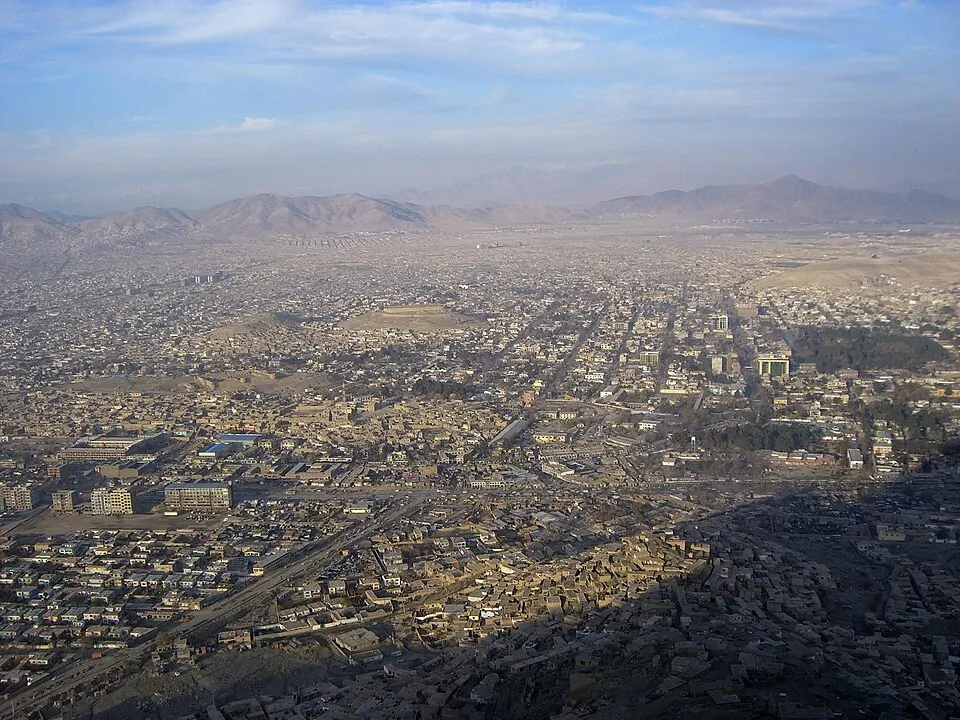
Kabul is the capital of Afghanistan and home to about 5.3 million people as of 2025. Visitors come to see its historic palaces, gardens, and mosques.
What to see
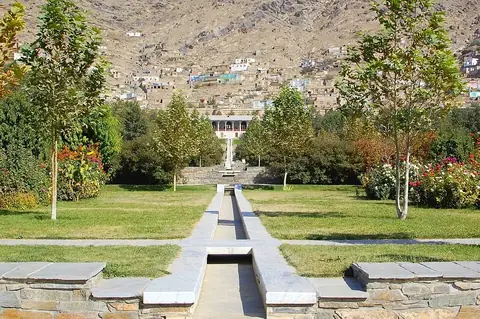
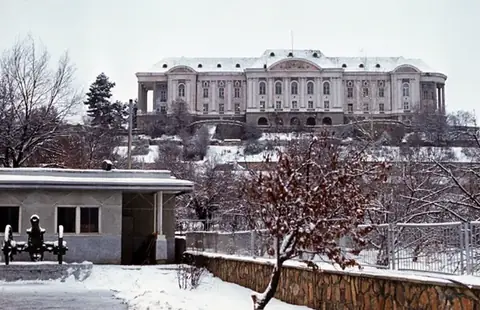
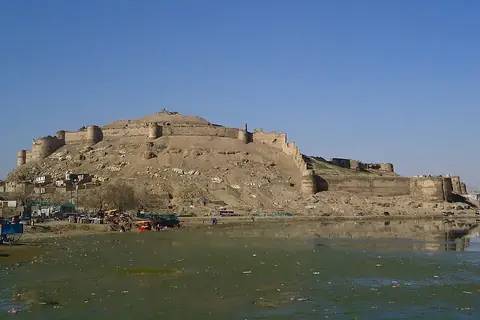
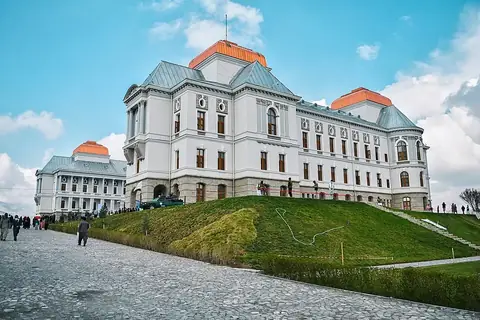
The city features several significant architectural sites. You can visit the Gardens of Babur or explore the grounds of the Darul Aman Palace and Tajbeg Palace. The historic fortress of Bala Hissar is also located in the city. Other notable sites include the National Museum of Afghanistan, the Kabul Zoo, and various religious structures such as the Blue Mosque, the Eidgah Mosque, the Shah-Do Shamshira Mosque, and the Bagh-e Bala Palace.
When to go
Kabul experiences cold winters with temperatures dropping as low as -11 °C in January. Precipitation is highest from March through April, with up to 12 rainy days in March. The summer months from June to September are warmer, with daily highs ranging from 26 °C to 30 °C and significantly less rain, making this the drier season for travel.
Getting there
Kabul International Airport is located 6 kilometers from the city.
Top sights in Kabul
Weather by month
The warmest month is July, with an average high of 30 °C. The wettest is March, with about 77 mm of rain.
| Jan | Feb | Mar | Apr | May | Jun | Jul | Aug | Sep | Oct | Nov | Dec | |
|---|---|---|---|---|---|---|---|---|---|---|---|---|
| Average high, °C | 2 | 4 | 10 | 17 | 23 | 27 | 30 | 29 | 26 | 19 | 13 | 6 |
| Average low, °C | -11 | -9 | -2 | 4 | 9 | 13 | 15 | 15 | 11 | 6 | 1 | -6 |
| Rainfall, mm | 42 | 60 | 77 | 53 | 35 | 12 | 7 | 5 | 6 | 11 | 14 | 27 |
| Rainy days | 7 | 7 | 12 | 10 | 9 | 6 | 8 | 8 | 4 | 4 | 5 | 2 |
Temperatures and rainfall: 1981–2010 averages for Kabul (4 km grid), from CHELSA. Rainy days: 2015–2024, NASA POWER.
Also worth a look
- Bagh-e Bala Palace
- Blue Mosque, Kabul
- Eidgah Mosque
- Kabul Zoo
- National Museum of Afghanistan
- Shah-Do Shamshira Mosque