Casa Rosada
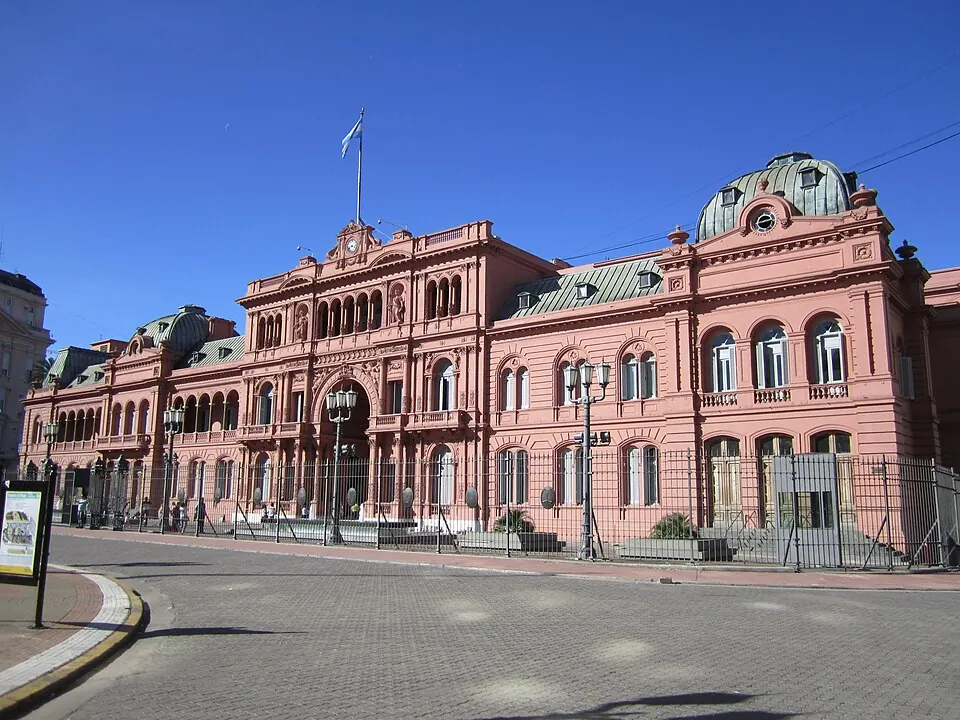
The Casa Rosada is a building of public administration in Buenos Aires, Argentina, completed in 1898. It features a blend of Neoclassical, Italianate, and Romanesque Revival architectural styles. As one of the most looked-up sights in Argentina, it serves as a significant landmark in the city.
Planning a visit
The climate in Buenos Aires is generally mild, with the warmest temperatures occurring from December through March, when daily highs reach 25 °C to 27 °C. These months also experience higher rainfall, with monthly precipitation ranging from 116 mm to 132 mm. Visitors preferring cooler weather may consider the winter months of June, July, and August, which see average daily highs between 13 °C and 15 °C and significantly lower rainfall, often around 55 mm to 59 mm. The building is located at Balcarce 50, approximately 1 km from the center of Buenos Aires. Travelers arriving by air can reach the site from Aeroparque Jorge Newbery, which is 7 km away.
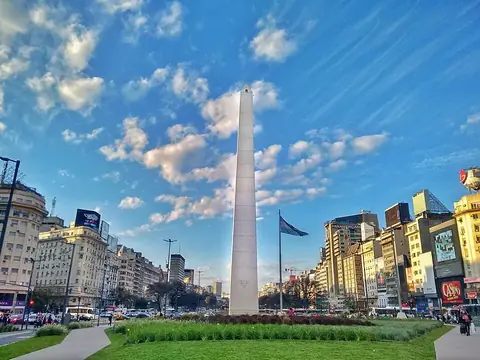
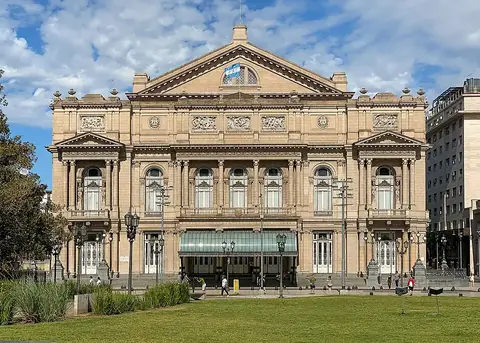
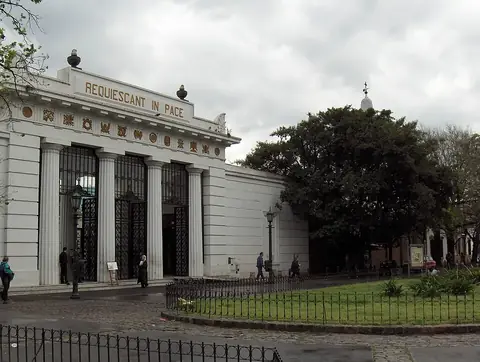
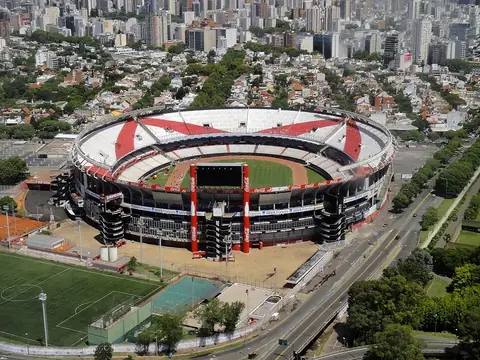
The Casa Rosada is situated near several other prominent locations in the city, making it easy to combine with other sightseeing. The Obelisco de Buenos Aires is 1.1 km away, and the Teatro Colón is 1.4 km from the site. For those interested in further exploration, La Recoleta Cemetery is 3 km away, while La Bombonera is located 3.1 km from the building. Sports enthusiasts may visit the Estadio Monumental, which is situated 10.1 km away.
Weather by month
The warmest month is January, with an average high of 27 °C. Rain is spread fairly evenly through the year.
| Jan | Feb | Mar | Apr | May | Jun | Jul | Aug | Sep | Oct | Nov | Dec | |
|---|---|---|---|---|---|---|---|---|---|---|---|---|
| Average high, °C | 27 | 26 | 24 | 21 | 17 | 14 | 13 | 15 | 17 | 20 | 23 | 25 |
| Average low, °C | 20 | 20 | 19 | 15 | 12 | 9 | 8 | 9 | 11 | 14 | 16 | 19 |
| Rainfall, mm | 128 | 123 | 132 | 110 | 94 | 55 | 57 | 59 | 68 | 124 | 118 | 116 |
| Rainy days | 9 | 8 | 8 | 8 | 6 | 4 | 7 | 6 | 5 | 9 | 8 | 9 |
Temperatures and rainfall: 1981–2010 averages for this spot (4 km grid), from CHELSA. Rainy days: 2015–2024, NASA POWER.