Cook Islands
Territory · Oceania, Polynesia
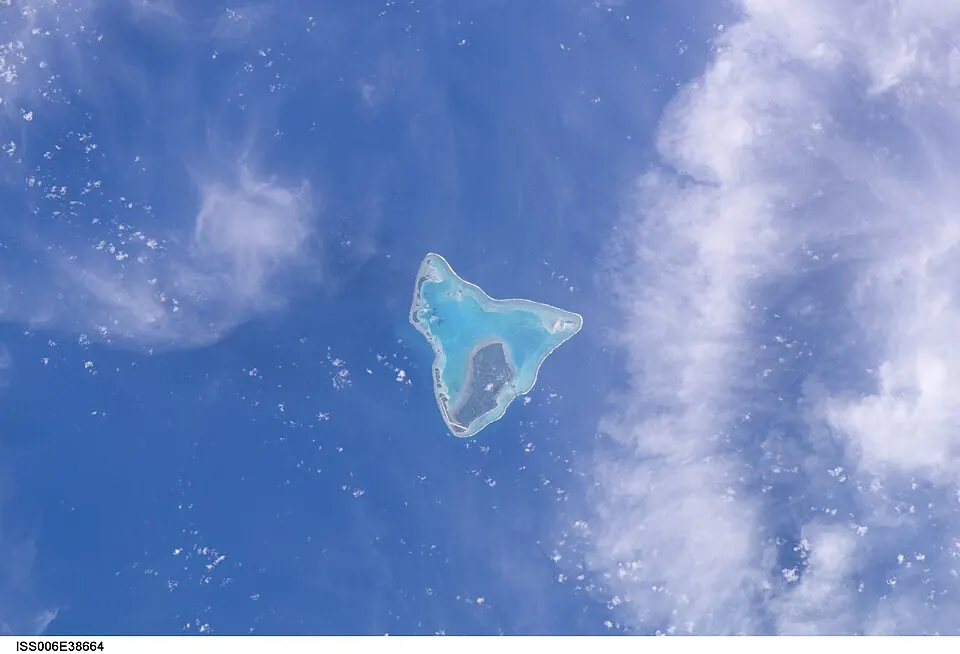
The Cook Islands are a self-governing territory in Polynesia, associated with New Zealand. Comprising 240 square kilometers and a population of about 14,000, the territory is centered around its capital, Avarua. It offers visitors a tropical environment and access to local culture.
Highlights
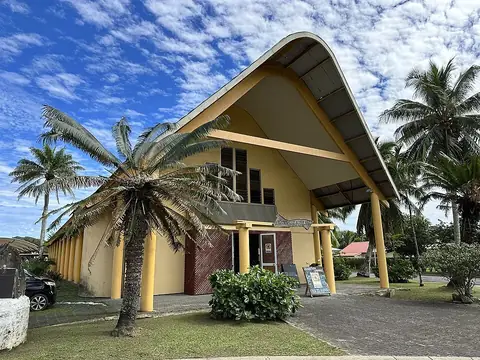
The territory features one notable site, the Cook Islands National Museum, located in the capital. This museum serves as the primary point of interest for visitors seeking to understand the local history and culture of the islands.
When to go
The climate in Avarua is tropical, with consistent average temperatures ranging from 22 °C to 26 °C throughout the year. The cooler months are June through October, with average temperatures around 22 °C to 23 °C and fewer rainy days, typically between 12 and 14 days per month. The warmer months, from December through April, experience higher rainfall, with monthly precipitation often exceeding 300 mm and rainy days occurring as frequently as 22 days in March.
Practical notes
The Cook Islands use the New Zealand dollar and the Cook Islands dollar. English and Cook Islands Maori are the official languages. Electrical outlets use type I plugs with a voltage of 240 V. Traffic operates on the left side of the road. The territory is located in the UTC−10:00 time zone. The calling code for the islands is +682, and the country code top-level domain is .ck.
Top sights in Cook Islands
Weather by month
The warmest month is March, averaging 26 °C. Rain is spread fairly evenly through the year.
| Jan | Feb | Mar | Apr | May | Jun | Jul | Aug | Sep | Oct | Nov | Dec | |
|---|---|---|---|---|---|---|---|---|---|---|---|---|
| Average temperature, °C | 25 | 26 | 26 | 25 | 24 | 23 | 22 | 22 | 22 | 23 | 24 | 24 |
| Rainfall, mm | 343 | 358 | 268 | 383 | 265 | 179 | 218 | 184 | 202 | 193 | 238 | 325 |
| Rainy days | 19 | 20 | 22 | 17 | 18 | 12 | 12 | 14 | 14 | 13 | 14 | 21 |
Temperatures and rainfall: 1981–2010 averages for Avarua (4 km grid), from CHELSA. Rainy days: 2015–2024, NASA POWER.