Havana
Capital of Cuba
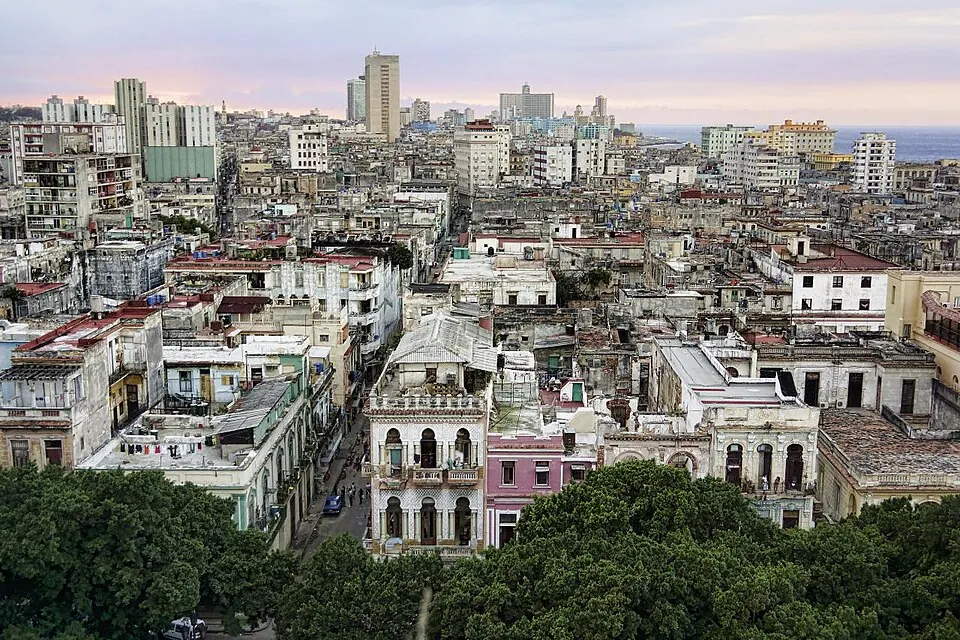
Havana is the capital of Cuba and home to over 2.4 million people as of 2022. Visitors come to see the city's historic fortresses, various museums, and architectural landmarks.
What to see
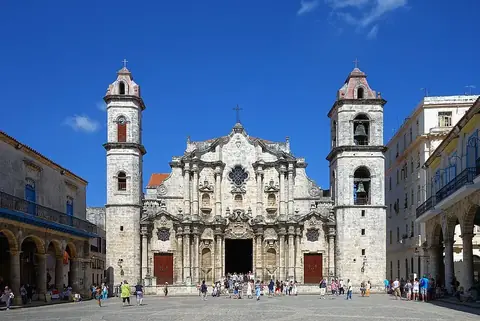
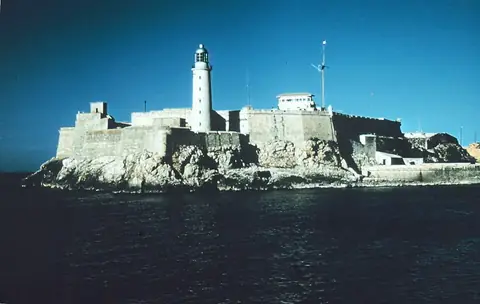
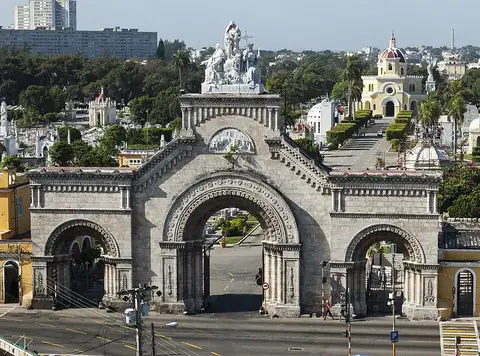
The city features several significant military and religious structures, including the UNESCO-listed La Cabaña and Castillo de los Tres Reyes Del Morro. Visitors can explore the Castillo de la Real Fuerza and the Havana Cathedral. Other prominent sites include the National Capitol of Cuba, the Museum of the Revolution, and the Colon Cemetery. John Lennon Park is also located in the city.
When to go
The driest months are January, February, March, April, and December, which typically see the fewest rainy days and lower rainfall totals. Temperatures during these months range from daily highs of 26 °C to 29 °C. Rainfall increases significantly from May through October, with June, July, August, and September experiencing the highest precipitation levels and daily highs reaching 31 °C to 32 °C.
Getting there
The primary gateway to the city is José Martí International Airport, which is located 17 km from Havana.
Top sights in Havana
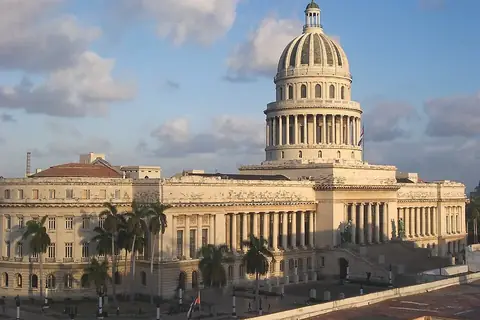
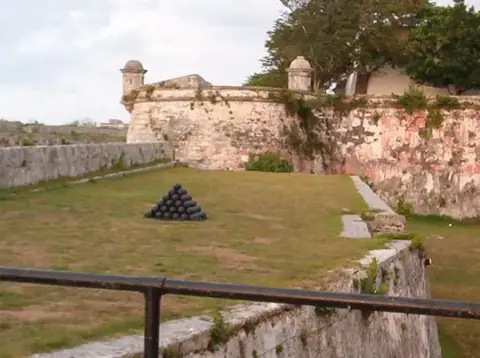
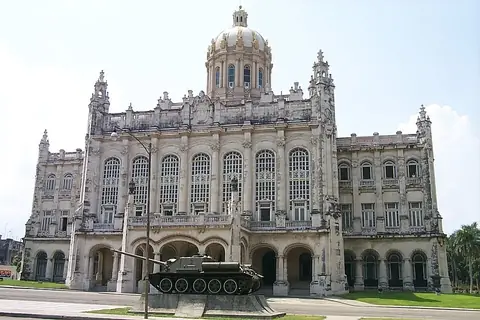


Weather by month
The warmest month is July, with an average high of 32 °C. The wettest is June, with about 220 mm of rain.
| Jan | Feb | Mar | Apr | May | Jun | Jul | Aug | Sep | Oct | Nov | Dec | |
|---|---|---|---|---|---|---|---|---|---|---|---|---|
| Average high, °C | 26 | 27 | 28 | 29 | 30 | 31 | 32 | 32 | 31 | 29 | 28 | 26 |
| Average low, °C | 20 | 20 | 21 | 22 | 24 | 25 | 26 | 26 | 25 | 24 | 23 | 21 |
| Rainfall, mm | 56 | 66 | 48 | 77 | 114 | 220 | 135 | 159 | 199 | 142 | 78 | 54 |
| Rainy days | 5 | 4 | 3 | 4 | 10 | 14 | 14 | 13 | 14 | 9 | 6 | 4 |
Temperatures and rainfall: 1981–2010 averages for Havana (4 km grid), from CHELSA. Rainy days: 2015–2024, NASA POWER.
Also worth a look
- Embassy of the United States, Havana
- Museo Nacional de Bellas Artes de La Habana