Denmark
Country · Europe, Northern Europe
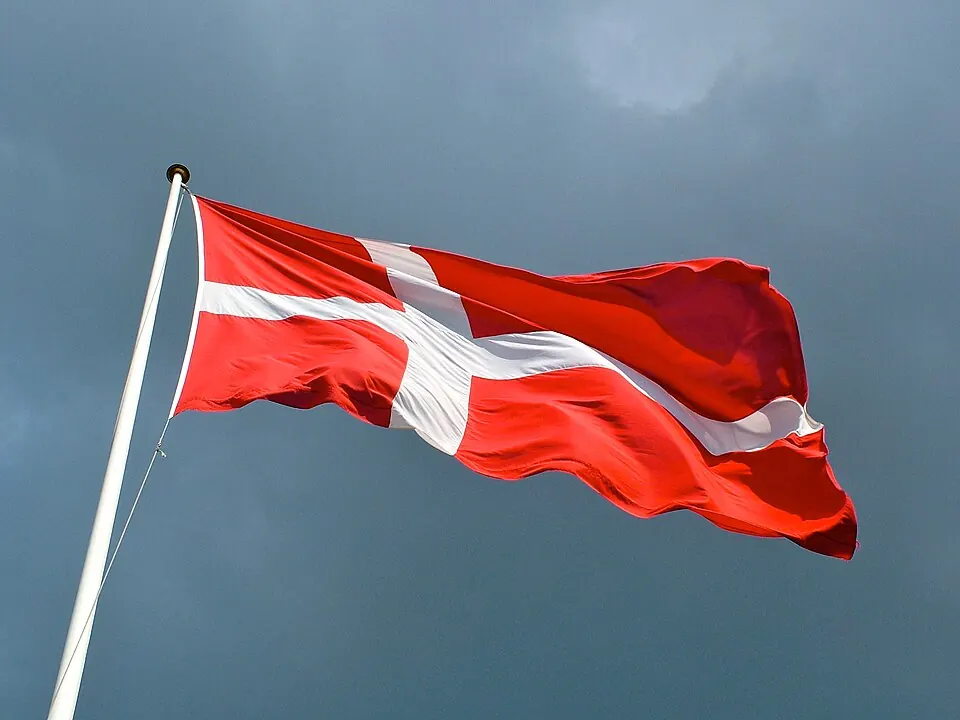
Denmark is a country in Northern Europe that shares borders with Germany, Norway, and Sweden. It covers 42,925 square kilometers and has a population of about 6 million people. The capital city is Copenhagen.
Highlights
There are 23 sights covered here. Copenhagen features urban areas such as Nørrebro, Østerbro, and Christianshavn, as well as the Freetown Christiania. Historic sites include palaces like Amalienborg, Rosenborg Castle, Christiansborg Palace, and Fredensborg Palace. Other landmarks include The Little Mermaid, the Rundetaarn, Kastellet, and churches such as Frederik's Church and Grundtvig's Church. The Ny Carlsberg Glyptotek houses art collections. Outside the capital, visitors can see UNESCO-listed sites including Kronborg and Roskilde Cathedral, as well as the Jelling stones and the highest point, Møllehøj.
Food and drink
Danish cuisine includes Smørrebrød, Frikadelle, and various cheeses such as Danish Blue Cheese, Havarti, Esrom, and Danbo. Sweet options include Danish pastry, Rødgrød, Kransekage, Risalamande, and butter cookies. There is also a dish listed as Passover sacrifice.
When to go
This assessment is based on the climate at the capital. Winters are cold, with temperatures between -1 °C and 4 °C from December to February. Spring warms up, with highs reaching 15 °C in May. Summer, from June to August, provides the warmest weather, with daily highs around 18 °C to 21 °C and lows around 11 °C to 14 °C. Autumn brings cooling temperatures, dropping from 16 °C in September to 7 °C in November. Rain occurs throughout the year, with the most frequent rainy days occurring in October, November, December, and January.
Practical notes
The currency is the Danish krone. The official language is Danish. Plugs used are types C, E, F, and K, with a voltage of 230 V. Driving is on the right side of the road. The time zone is UTC+01:00. The calling code is +45.
Cities
Food and drink to try in Denmark
- Smørrebrød
- Danish Blue Cheese
- Danish pastry
- Frikadelle
- Rødgrød
- Havarti
- Kransekage
- Risalamande
- Danbo
- Butter cookie
- Esrom
- Passover sacrifice
Top sights in Denmark
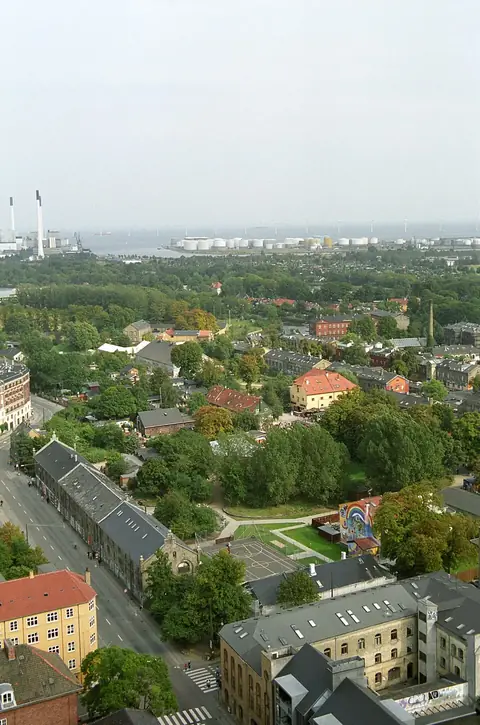 Freetown ChristianiaCopenhagen
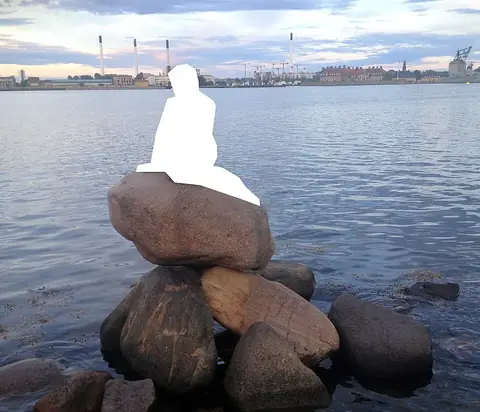 The Little MermaidCopenhagen
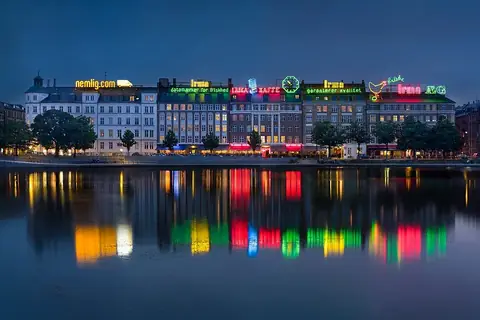 NørrebroCopenhagen
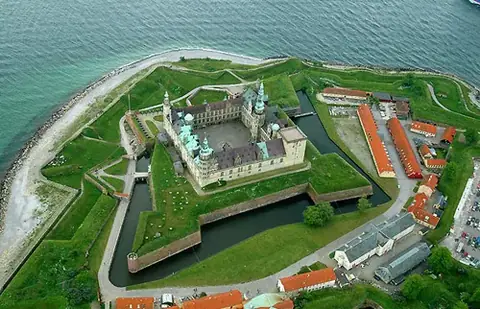 UNESCOKronborg
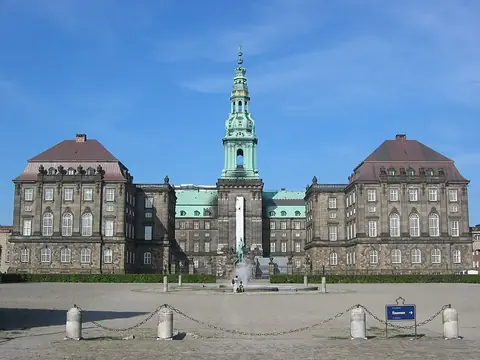 Christiansborg PalaceCopenhagen
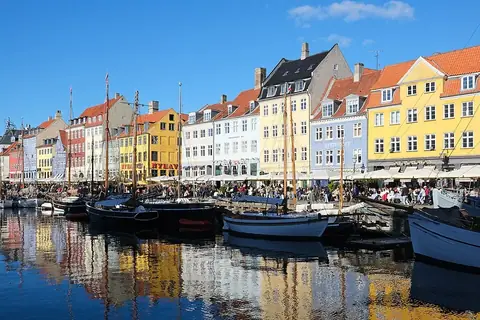 NyhavnCopenhagen
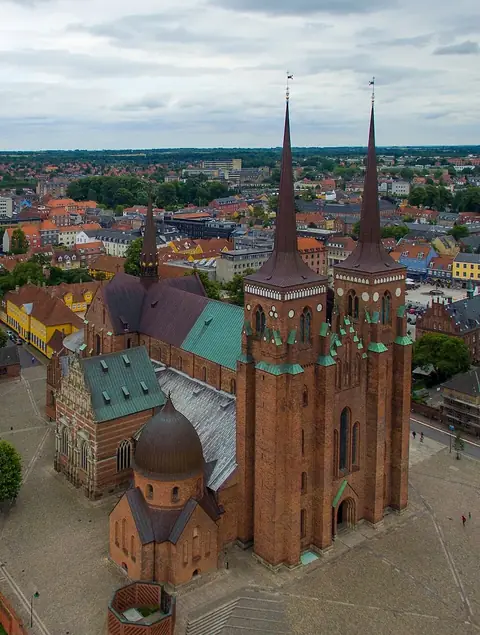 UNESCORoskilde CathedralRoskilde
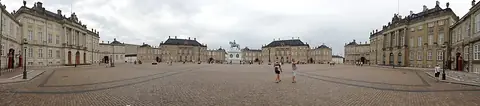 AmalienborgCopenhagen
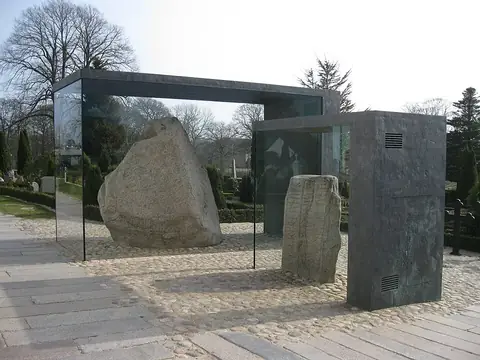 Jelling stonesJelling
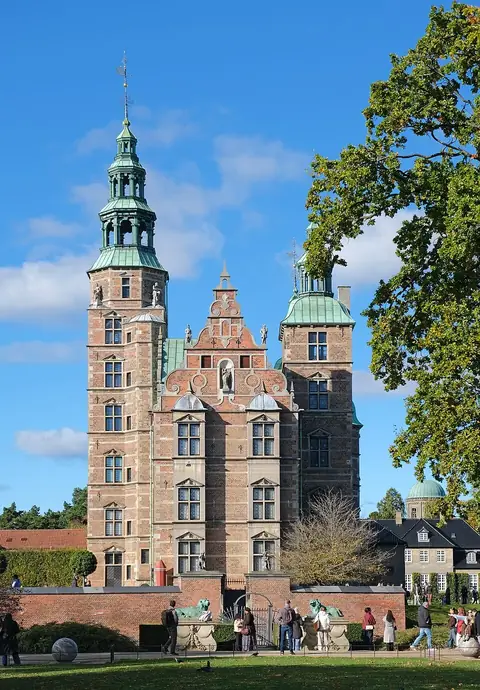 Rosenborg CastleCopenhagen
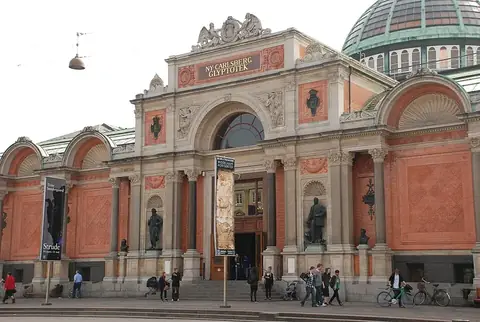 Ny Carlsberg GlyptotekCopenhagen
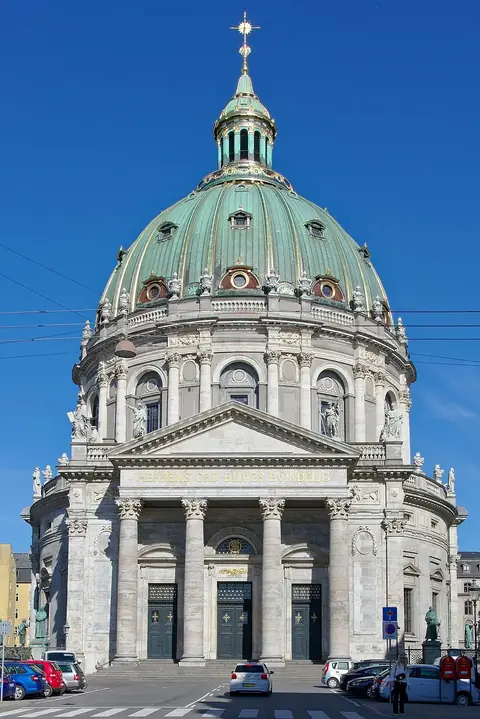 Frederik's ChurchCopenhagen
- Kastellet, Copenhagen · Copenhagen
- Møllehøj · Skanderborg
- Grundtvig's Church · Copenhagen
- Frederiksborg Castle · Hillerød
- Østerbro · Copenhagen
- Rundetaarn · Copenhagen
- Fredensborg Palace · Fredensborg
- Christianshavn · Copenhagen
- Saltholm · Copenhagen
- Møns KlintUNESCO
- Aarhus Cathedral · Aarhus
- Stevns KlintUNESCO
- Viking Ship Museum · Roskilde
- Marselisborg Palace · Aarhus
- Den Gamle By · Aarhus
- St. Canute's Cathedral · Odense
- Gråsten Palace · Sønderborg
- Hans Christian Andersen Museum · Odense
- Lindholm Høje · Aalborg
- Sønderborg Castle · Sønderborg
- Aalborg Zoo · Aalborg
- Utzon Center · Aalborg
Weather by month
The warmest month is July, with an average high of 21 °C. Rain is spread fairly evenly through the year.
| Jan | Feb | Mar | Apr | May | Jun | Jul | Aug | Sep | Oct | Nov | Dec | |
|---|---|---|---|---|---|---|---|---|---|---|---|---|
| Average high, °C | 3 | 3 | 6 | 10 | 15 | 18 | 21 | 20 | 16 | 12 | 7 | 4 |
| Average low, °C | -1 | -1 | 0 | 3 | 8 | 11 | 14 | 14 | 11 | 7 | 3 | 0 |
| Rainfall, mm | 50 | 34 | 42 | 34 | 50 | 67 | 65 | 77 | 61 | 65 | 55 | 55 |
| Rainy days | 14 | 11 | 11 | 8 | 10 | 10 | 13 | 13 | 11 | 14 | 14 | 14 |
Temperatures and rainfall: 1981–2010 averages for Copenhagen (4 km grid), from CHELSA. Rainy days: 2015–2024, NASA POWER.
Also worth a look
- ARoS Aarhus Kunstmuseum
- Aalborghus
- Aggersborg
- Amager Strandpark
- Bagsværd Church
- Borgring
- Brumleby
- Budolfi Church
- Charlottenborg Palace
- Church of Our Lady
- Church of Our Lady, Kalundborg
- Copenhagen City Hall
- Cykelslangen
- Danish Jewish Museum
- Danish War Museum
- Designmuseum Denmark
- Egeskov Castle
- Ejer Bavnehøj
- Flakfortet
- Frilandsmuseet
- Frøslev Prison Camp
- Fyrkat
- Gefion Fountain
- Givskud Zoo
- Glavendrup stone
- Grenen
- Gribskov
- Gurre Castle
- HDMS Jylland
- Hammershus
- Hirschsprung Collection
- Inderhavnsbroen
- Indre By
- Jægersborg Dyrehave
- KUNSTEN Museum of Modern Art Aalborg
- Kalø Castle
- Koldinghus
- Ledreborg
- Lille Vildmose
- Liselund