Persepolis
Iran UNESCO World Heritage Site
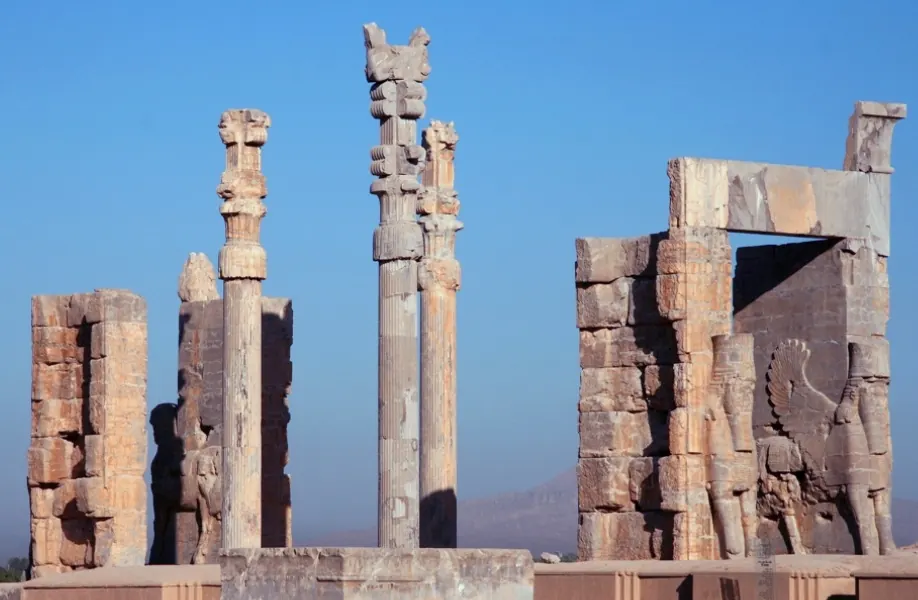
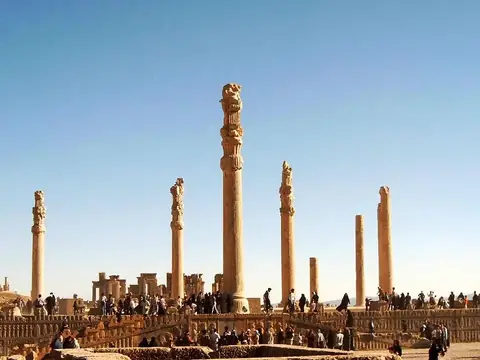
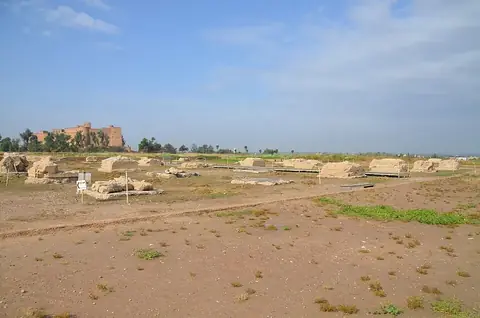
Persepolis is an ancient city and archaeological site in Iran showcasing Achaemenid architecture. It is a UNESCO World Heritage Site and currently ranks as the most looked-up sight in the country on English Wikipedia. The site, which is named after the Persians and Jamshid, covers an area of 0.125 square kilometers and sits at an elevation of 1,627 meters.
Planning a visit
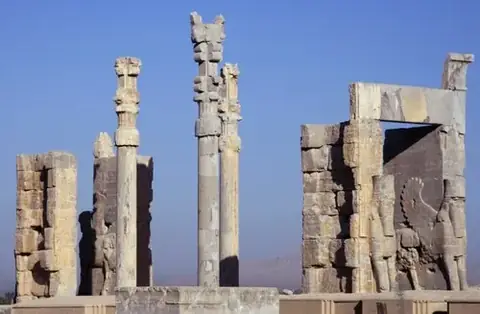
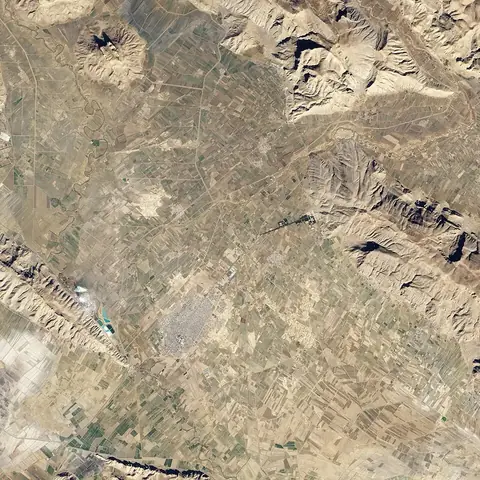
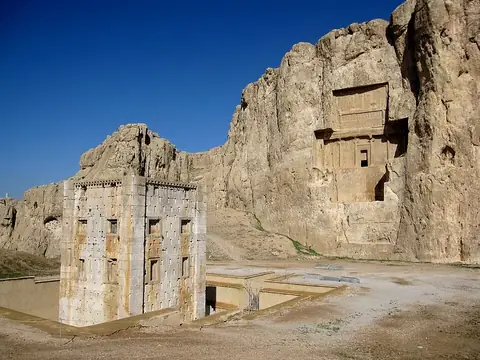
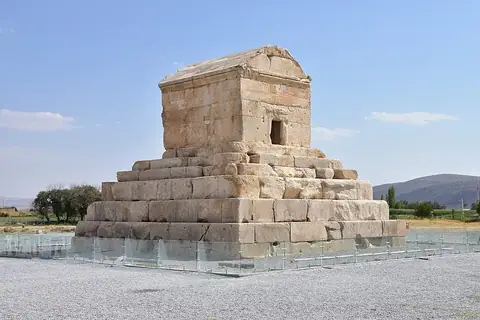
The most suitable months for a visit are April and May, when daily highs range from 22 °C to 28 °C and rainfall is low. Travelers should prepare for hot weather from June through August, with daily highs reaching up to 36 °C. The winter months of December and January are cold, with lows around 0 °C to -2 °C and increased rainfall. The site is located in the Kenareh Rural District, 53 km from Shiraz Shahid Dastghaib International Airport and 655 km from the capital, Tehran. Visitors can combine a trip to Persepolis with nearby locations such as the Apadana, located on-site, the Gate of All Nations, which is 0.2 km away, and Naqsh-e Rostam, situated 6.2 km from the site. The Tomb of Cyrus the Great is also accessible at a distance of 39.2 km from the site.
Weather by month
The warmest month is July, with an average high of 36 °C. The wettest is January, with about 122 mm of rain.
| Jan | Feb | Mar | Apr | May | Jun | Jul | Aug | Sep | Oct | Nov | Dec | |
|---|---|---|---|---|---|---|---|---|---|---|---|---|
| Average high, °C | 9 | 12 | 16 | 22 | 29 | 34 | 36 | 35 | 31 | 25 | 18 | 12 |
| Average low, °C | -2 | -1 | 2 | 7 | 12 | 17 | 20 | 19 | 15 | 9 | 4 | 0 |
| Rainfall, mm | 122 | 98 | 90 | 39 | 9 | 0 | 1 | 1 | 0 | 6 | 31 | 98 |
| Rainy days | 5 | 6 | 7 | 5 | 3 | 0 | 1 | 0 | 0 | 1 | 6 | 5 |
Temperatures and rainfall: 1981–2010 averages for this spot (4 km grid), from CHELSA. Rainy days: 2015–2024, NASA POWER.