Pyongyang
Capital of North Korea
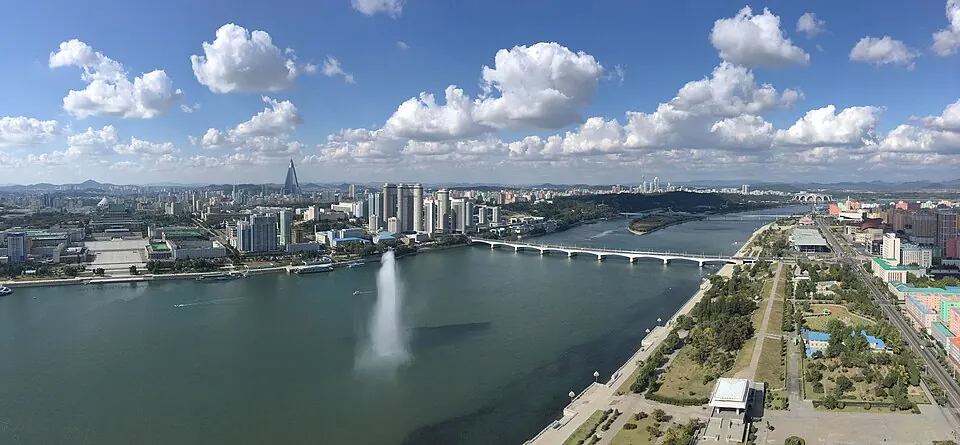
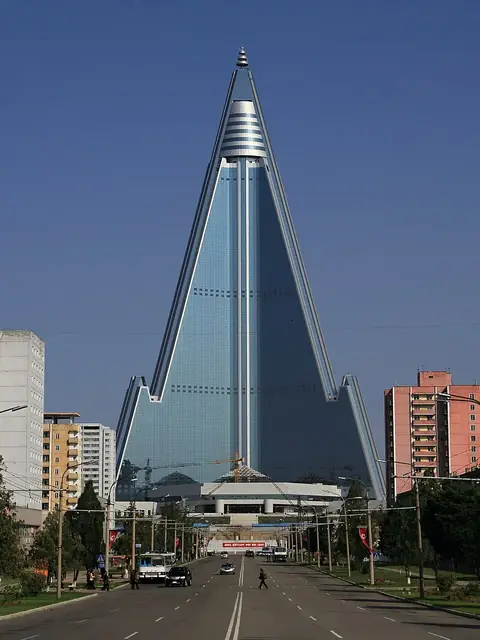
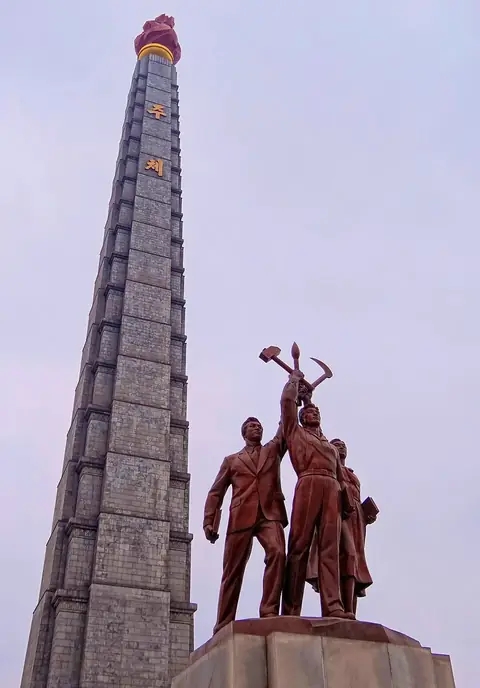
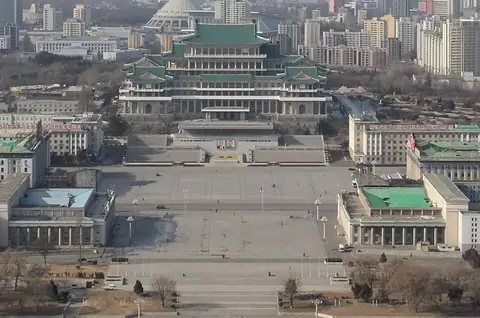
Pyongyang is the capital of North Korea and has a population of 2,863,000 as of 2015. Visitors come to see prominent landmarks such as the Juche Tower, Kim Il Sung Square, and the Ryugyong Hotel.
What to see
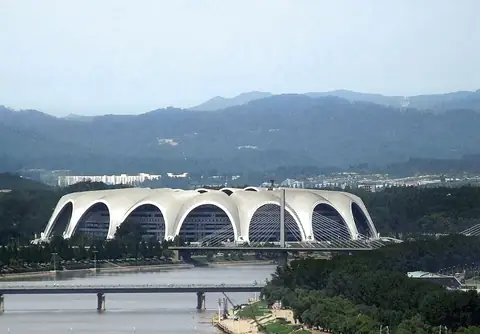
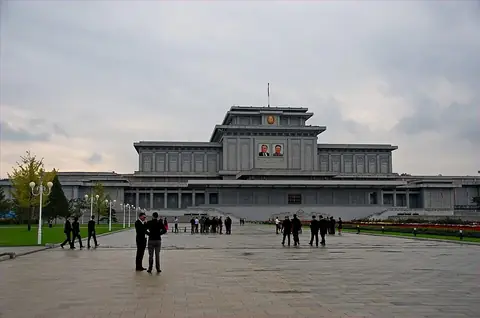
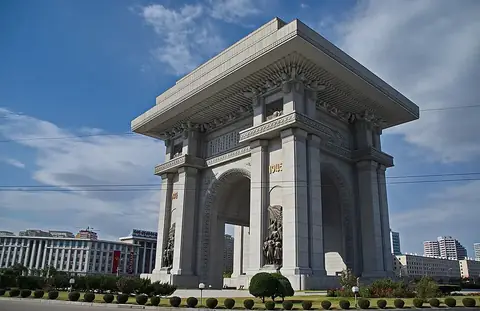
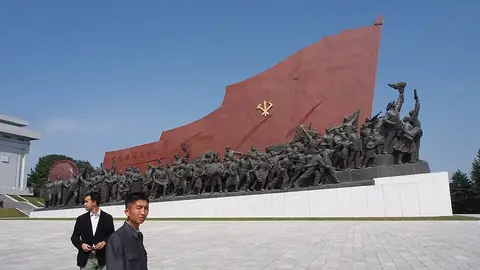
The city features large architectural structures and monuments. Key sights include the Rungrado 1st of May Stadium, the Ryugyong Hotel, the Kumsusan Palace of the Sun, the Juche Tower, the Arch of Triumph, the Mansudae Grand Monument, and Kim Il Sung Square.
When to go
Winters are cold, with January temperatures reaching a high of -2 °C and a low of -11 °C, alongside light rain. Summers bring warmer weather and heavier rainfall, particularly in July and August, where temperatures peak at highs of 28 °C and lows of 21 °C, accompanied by over 200 mm of rain per month. Spring and autumn offer moderate temperatures, with April seeing highs of 16 °C and October seeing highs of 18 °C.
Getting there
The nearest airport is Pyongyang Sunan International Airport, located 24 km away from the city.
Top sights in Pyongyang
Weather by month
The warmest month is August, with an average high of 28 °C. The wettest is July, with about 272 mm of rain.
| Jan | Feb | Mar | Apr | May | Jun | Jul | Aug | Sep | Oct | Nov | Dec | |
|---|---|---|---|---|---|---|---|---|---|---|---|---|
| Average high, °C | -1 | 2 | 9 | 17 | 22 | 27 | 28 | 28 | 24 | 18 | 9 | 2 |
| Average low, °C | -11 | -7 | -2 | 5 | 11 | 17 | 21 | 21 | 15 | 8 | 0 | -7 |
| Rainfall, mm | 11 | 12 | 25 | 47 | 76 | 84 | 272 | 207 | 106 | 43 | 36 | 14 |
| Rainy days | 3 | 3 | 3 | 6 | 8 | 11 | 17 | 18 | 11 | 7 | 7 | 4 |
Temperatures and rainfall: 1981–2010 averages for Pyongyang (4 km grid), from CHELSA. Rainy days: 2015–2024, NASA POWER.
Also worth a look
- Chollima Statue
- Kaeson Youth Park
- Korean Revolution Museum
- Munsu Water Park
- Victorious War Museum