Oman
Country · Asia, Western Asia
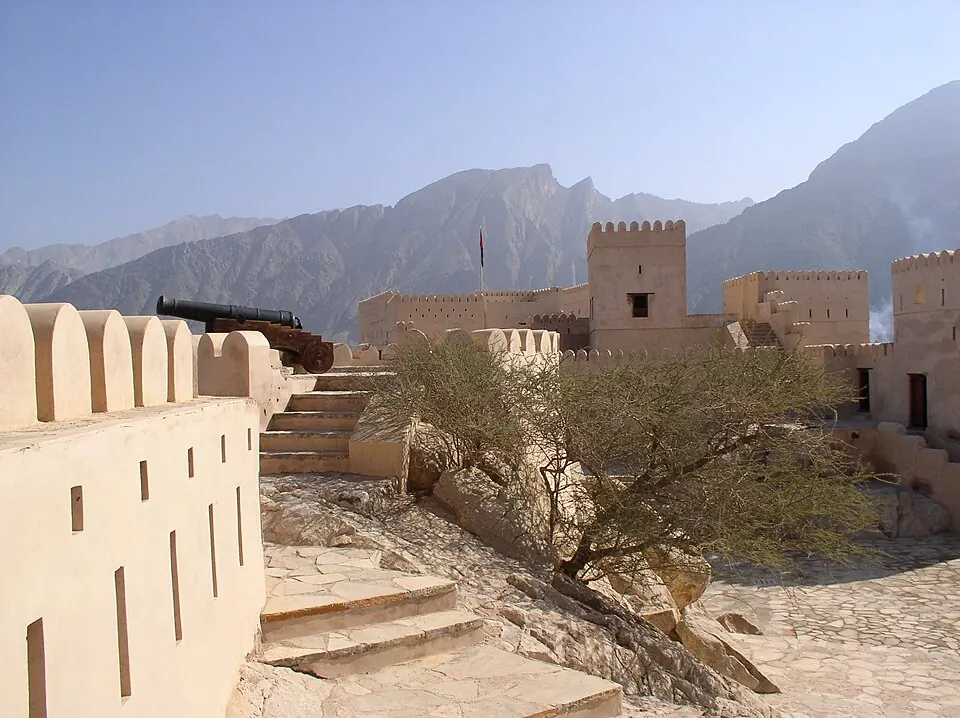
Oman is a country in Western Asia, bordering Iran, Saudi Arabia, the United Arab Emirates, and Yemen. With a population of approximately 5.5 million and an area of 309,500 square kilometers, it offers a variety of historical and natural sites.
Highlights
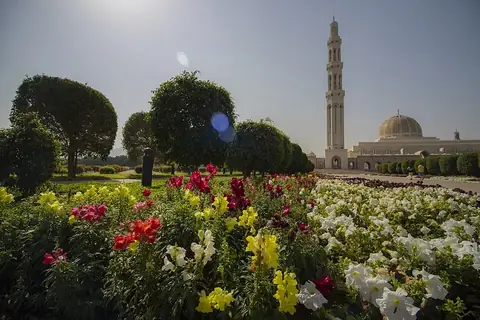
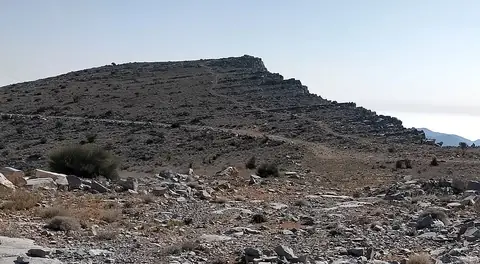
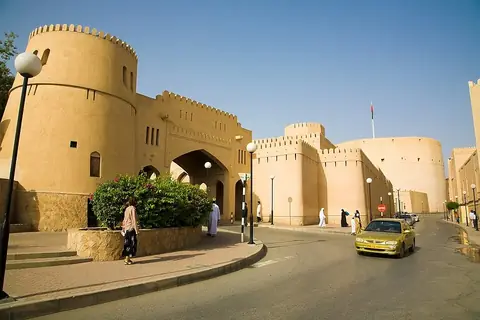
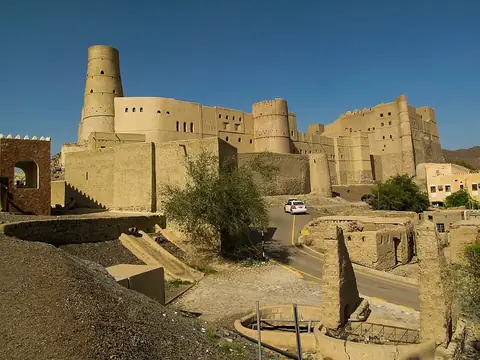
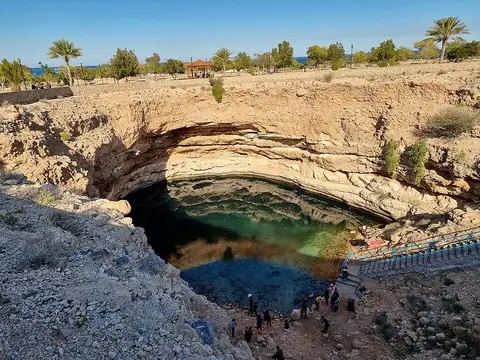
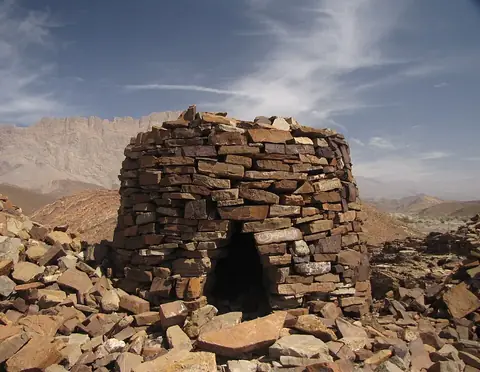
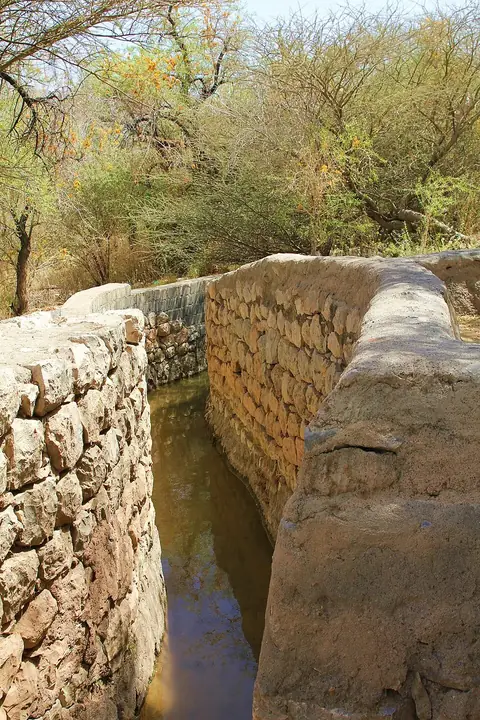
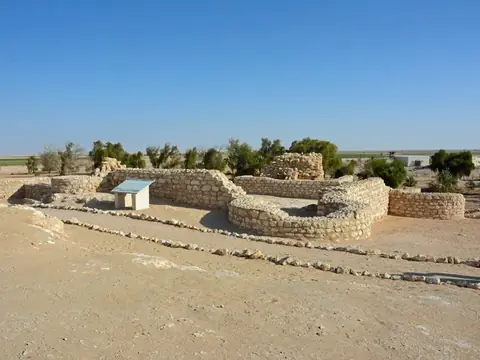
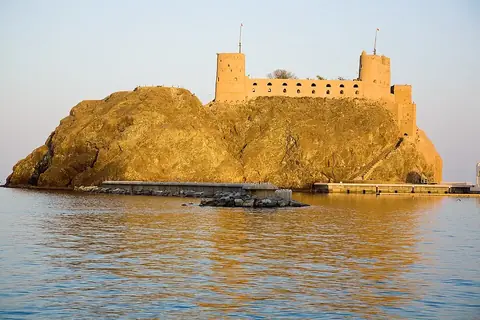
This guide covers 11 primary sights across the country. In the capital, Muscat, visitors can see the Sultan Qaboos Grand Mosque, Al Alam Palace, and Al Jalali Fort. Outside the capital, the country features several historical fortifications, including Nizwa Fort and Bahla Fort. The natural landscape includes the Bimmah Sinkhole and Jebel Shams, which is the highest point in the country. Other notable locations include the Tomb of Job and various archaeological sites, such as the sites of Bat, Al-Khutm and Al-Ayn, the Aflaj Irrigation Systems, and the archaeological site of Shisr.
When to go
The climate data for Muscat shows that the cooler months of January and February, with highs around 23 °C to 24 °C, are suitable for travel. Temperatures rise significantly from April, reaching highs of 34 °C to 35 °C between May and July. Rainfall is generally low throughout the year, with the highest monthly precipitation occurring in January, February, March, and December, though even these months rarely see more than 3 days of rain.
Practical notes
The currency used is the Omani rial (OMR). The official language is Arabic. The country operates on UTC+04:00 time and follows a right-hand driving side. Electrical outlets use types C and G, with a voltage of 240 V.
Top sights in Oman


Weather by month
The warmest month is June, with an average high of 35 °C. Rain is spread fairly evenly through the year.
| Jan | Feb | Mar | Apr | May | Jun | Jul | Aug | Sep | Oct | Nov | Dec | |
|---|---|---|---|---|---|---|---|---|---|---|---|---|
| Average high, °C | 23 | 24 | 26 | 30 | 34 | 35 | 35 | 33 | 33 | 31 | 28 | 24 |
| Average low, °C | 19 | 20 | 22 | 26 | 29 | 31 | 30 | 29 | 28 | 27 | 23 | 20 |
| Rainfall, mm | 17 | 16 | 17 | 7 | 1 | 8 | 3 | 2 | 0 | 1 | 3 | 13 |
| Rainy days | 2 | 2 | 3 | 2 | 2 | 0 | 2 | 3 | 1 | 2 | 1 | 1 |
Temperatures and rainfall: 1981–2010 averages for Muscat (4 km grid), from CHELSA. Rainy days: 2015–2024, NASA POWER.
Also worth a look
- Al Hamra
- Al Hoota Cave
- Al Wusta Wildlife Reserve
- Al-Baleed Archaeological Park
- Al-Mirani Fort
- Bait Al Zubair
- Khor Rori
- Land of Frankincense
- Nakhal Fort
- National Museum
- Oman Children's Museum
- Oman Natural History Museum
- Qalhat