Belgrade
Capital of Serbia
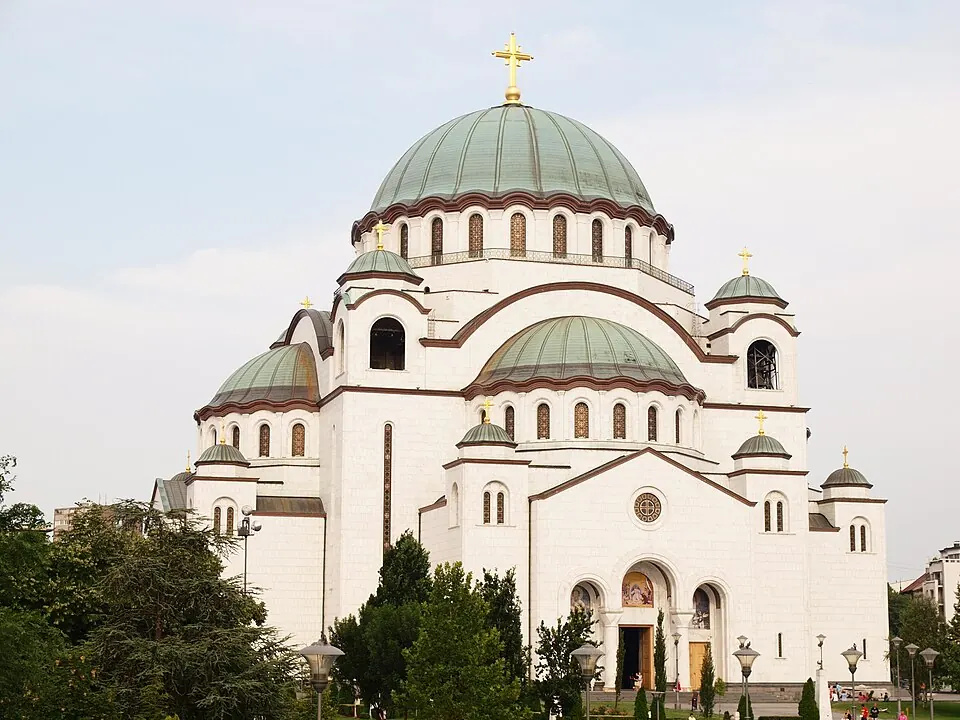
Belgrade is the capital of Serbia and has a population of about 1.2 million people. Visitors come to explore its museums and religious landmarks.
What to see
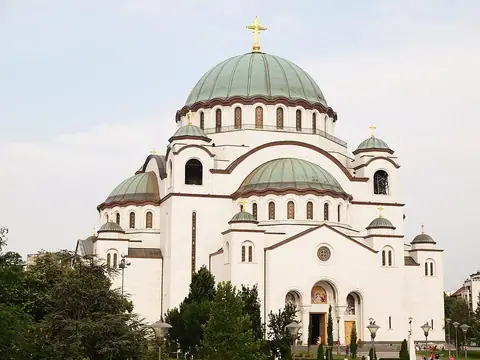
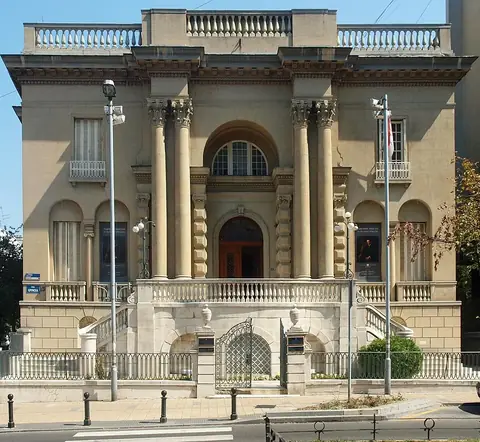
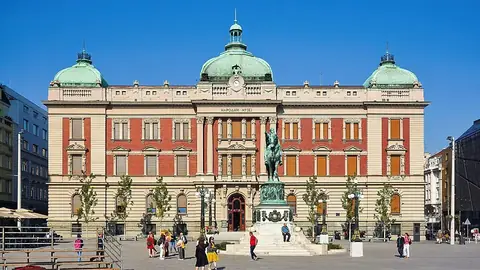
The city features several significant cultural and religious sites. The Church of Saint Sava stands as a prominent landmark. For those interested in history and science, the Nikola Tesla Museum and the National Museum of Serbia are key locations to visit.
When to go
The warmest months are June, July, and August, with daily highs reaching 26 °C to 28 °C. July and August have the least amount of rain, with about 8 rainy days each. Spring and autumn are milder, with temperatures in May and September averaging highs of 23 °C. Winter months from December to February are cold, with highs between 4 °C and 7 °C and lows often dropping below freezing.
Getting there
The city is served by Belgrade Nikola Tesla Airport, located 12 kilometers from the city.
Top sights in Belgrade
Weather by month
The warmest month is August, with an average high of 28 °C. The wettest is June, with about 98 mm of rain.
| Jan | Feb | Mar | Apr | May | Jun | Jul | Aug | Sep | Oct | Nov | Dec | |
|---|---|---|---|---|---|---|---|---|---|---|---|---|
| Average high, °C | 5 | 7 | 12 | 17 | 23 | 26 | 28 | 28 | 23 | 18 | 11 | 5 |
| Average low, °C | -2 | -2 | 2 | 7 | 13 | 16 | 18 | 18 | 14 | 9 | 4 | -1 |
| Rainfall, mm | 46 | 37 | 52 | 56 | 57 | 98 | 64 | 61 | 60 | 51 | 56 | 56 |
| Rainy days | 11 | 9 | 10 | 9 | 14 | 13 | 8 | 8 | 9 | 8 | 10 | 9 |
Temperatures and rainfall: 1981–2010 averages for Belgrade (4 km grid), from CHELSA. Rainy days: 2015–2024, NASA POWER.
Also worth a look
- Aeronautical Museum
- Bajrakli Mosque, Belgrade
- Belgrade Synagogue
- Belgrade Zoo
- Cathedral of Saint Archangel Michael, Belgrade
- Church of Saint Mark, Belgrade
- Museum of Yugoslavia
- Rakovica Monastery
- Republic Square
- Vinča-Belo Brdo