Abu Dhabi
Capital of United Arab Emirates
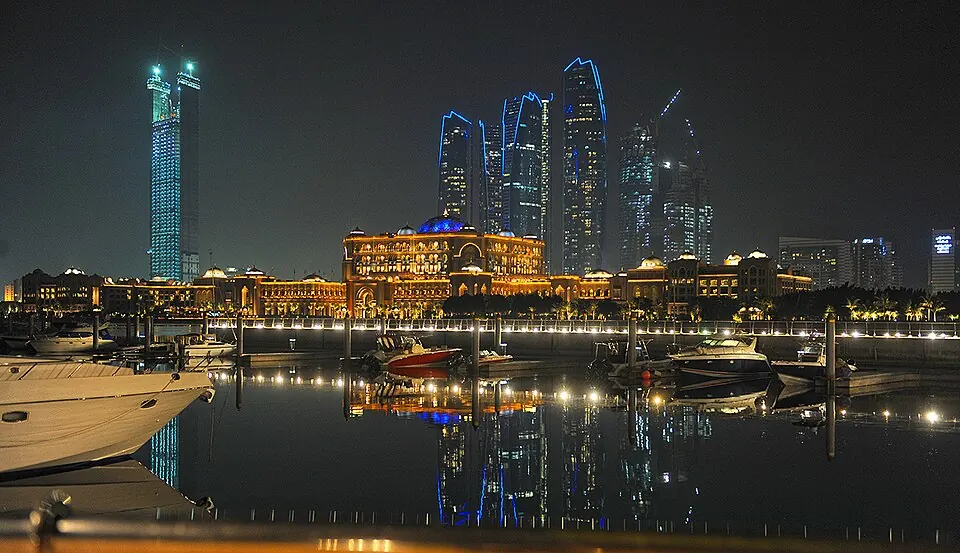
Abu Dhabi is the capital of the United Arab Emirates and has a population of about 1.57 million. Visitors come to explore its diverse cultural and architectural landmarks.
What to see
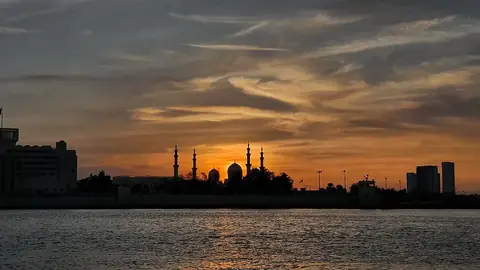
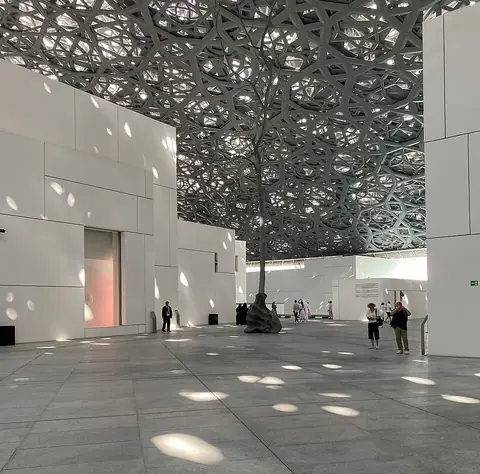
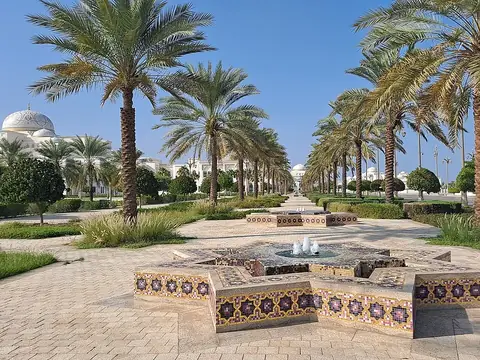
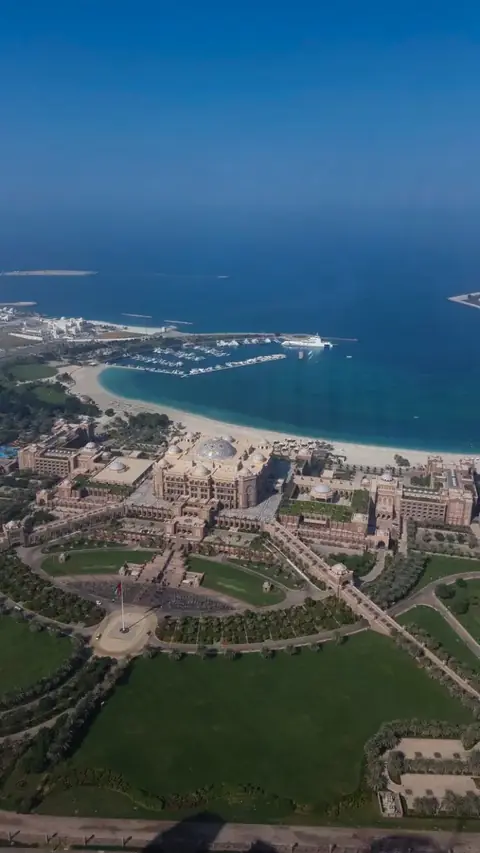
The city features significant cultural and architectural sites, including the Sheikh Zayed Grand Mosque, Qasr Al Watan, and the Louvre Abu Dhabi. For architecture and luxury, travelers often visit the Emirates Palace Mandarin Oriental, Abu Dhabi. Entertainment options include the Etihad Arena. Additional local sites worth a look include the Corniche and Qasr Al Hosn.
When to go
The cooler months from November to April offer moderate daily highs ranging from 22 °C to 31 °C, making outdoor activities more comfortable. Rainfall is minimal throughout the year, with January and March seeing the most precipitation at 18 mm to 21 mm. The summer months from May to September see high temperatures frequently exceeding 36 °C, peaking at 40 °C in August.
Getting there
The primary entry point is Zayed International Airport, located 26 km from the city. Travelers can also consider nearby connections through Dubai.
Top sights in Abu Dhabi
Weather by month
The warmest month is August, with an average high of 40 °C. Rain is spread fairly evenly through the year.
| Jan | Feb | Mar | Apr | May | Jun | Jul | Aug | Sep | Oct | Nov | Dec | |
|---|---|---|---|---|---|---|---|---|---|---|---|---|
| Average high, °C | 22 | 24 | 27 | 31 | 36 | 37 | 39 | 40 | 38 | 34 | 29 | 25 |
| Average low, °C | 16 | 16 | 19 | 22 | 26 | 28 | 30 | 31 | 28 | 26 | 22 | 18 |
| Rainfall, mm | 9 | 21 | 18 | 6 | 0 | 0 | 1 | 0 | 0 | 0 | 3 | 11 |
| Rainy days | 2 | 1 | 2 | 2 | 0 | 1 | 1 | 1 | 0 | 0 | 1 | 1 |
Temperatures and rainfall: 1981–2010 averages for Abu Dhabi (4 km grid), from CHELSA. Rainy days: 2015–2024, NASA POWER.
Also worth a look
- Corniche
- Qasr Al Hosn