Canberra
Capital of Australia
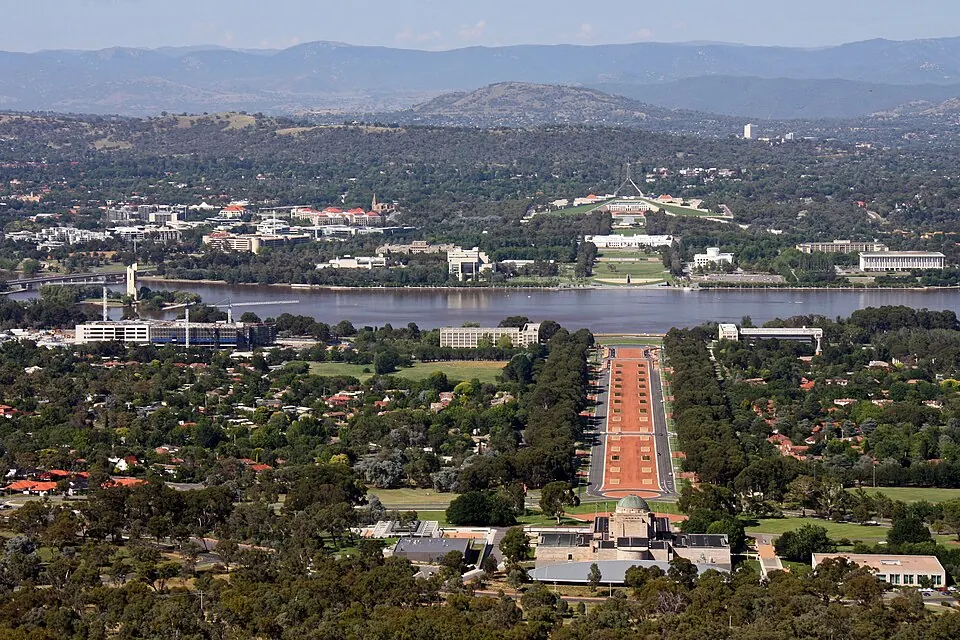
Canberra is the capital of Australia, with a population of about 474,000 people. Located inland, the city serves as the nation's political center and features numerous national institutions and memorials.
What to see
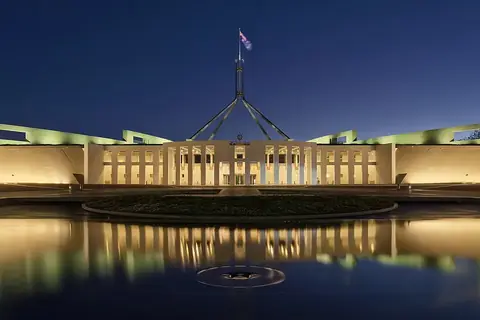
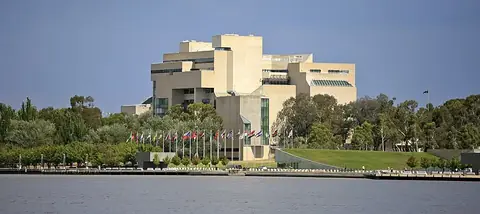
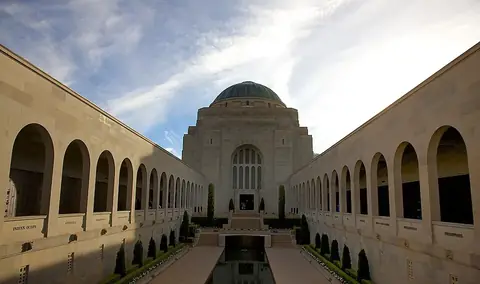
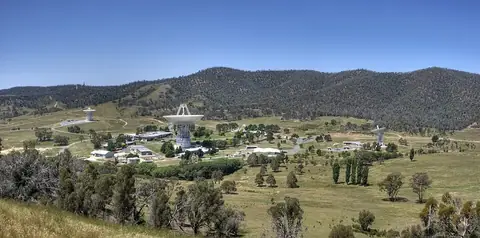
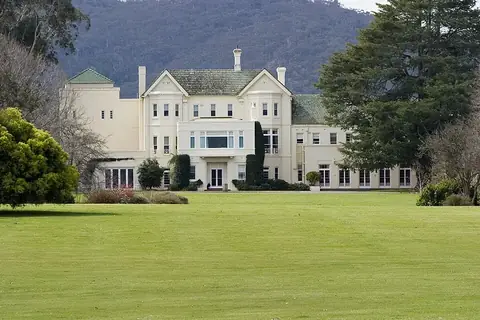
The city is home to several major government and cultural institutions. Visitors can explore the Parliament House, the High Court of Australia, and Government House. The Australian War Memorial is another significant site. For those interested in science and history, the Canberra Deep Space Communication Complex is available to view. Other notable locations include the National Gallery of Australia, the National Library of Australia, the National Museum of Australia, and the Australian National Botanic Gardens. For outdoor activities, Namadgi National Park is nearby.
When to go
Canberra experiences distinct seasonal variations. The warmest months are December through March, with daily highs ranging from 23 °C to 27 °C, making this the best time for outdoor visits to the botanic gardens or national parks. Rainfall is relatively evenly distributed throughout the year, though November and December see slightly higher amounts. Temperatures drop significantly during the winter months of June and July, with daily highs around 10 °C to 11 °C and lows near 2 °C.
Getting there
Canberra Airport is located 6 km from the city, providing the most direct access. International travelers often arrive via Sydney Kingsford Smith International Airport, which is 240 km away.
Top sights in Canberra
Weather by month
The warmest month is January, with an average high of 27 °C. Rain is spread fairly evenly through the year.
| Jan | Feb | Mar | Apr | May | Jun | Jul | Aug | Sep | Oct | Nov | Dec | |
|---|---|---|---|---|---|---|---|---|---|---|---|---|
| Average high, °C | 27 | 26 | 23 | 19 | 15 | 11 | 10 | 12 | 15 | 18 | 22 | 24 |
| Average low, °C | 14 | 14 | 12 | 8 | 5 | 3 | 2 | 2 | 5 | 7 | 10 | 12 |
| Rainfall, mm | 55 | 56 | 48 | 42 | 46 | 58 | 62 | 61 | 61 | 63 | 70 | 64 |
| Rainy days | 13 | 10 | 12 | 7 | 7 | 7 | 6 | 7 | 6 | 10 | 11 | 11 |
Temperatures and rainfall: 1981–2010 averages for Canberra (4 km grid), from CHELSA. Rainy days: 2015–2024, NASA POWER.
Also worth a look
- Australian National Botanic Gardens
- Namadgi National Park
- National Gallery of Australia
- National Library of Australia
- National Museum of Australia