Sydney Opera House
Sydney, Australia UNESCO World Heritage Site
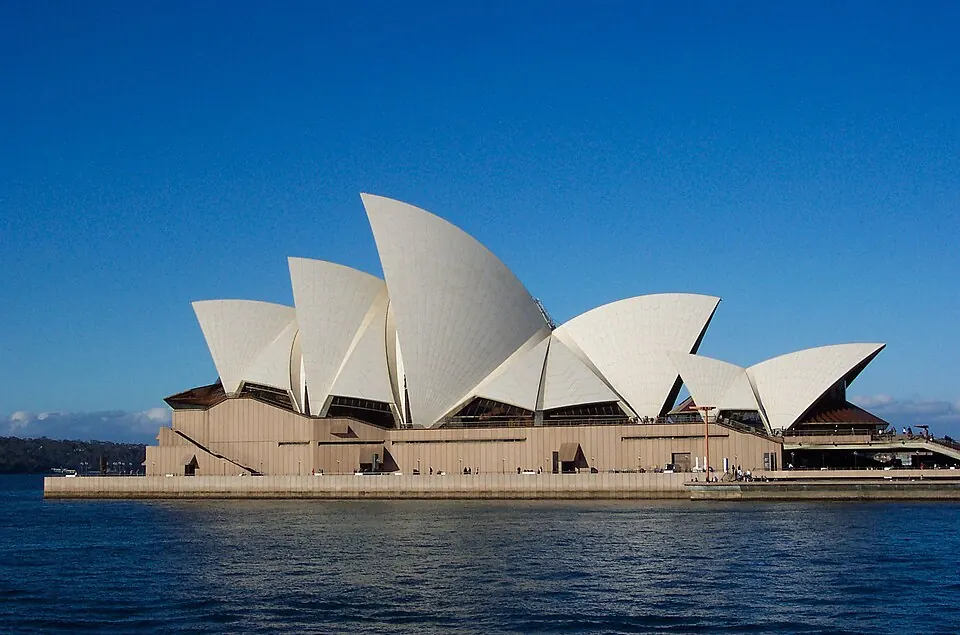
The Sydney Opera House is an expressionist architectural landmark and a UNESCO World Heritage Site located on Bennelong Point in the City of Sydney. Opened in 1973, the concrete structure was designed by Peter Hall and serves as a major opera house with a capacity of 5,738 people. It is also listed on the Australian National Heritage List, the State Heritage Register, and the Local Environmental Plan. As one of the most looked-up sights in Australia on English Wikipedia, it stands as a significant historical cultural heritage site.
Planning a visit
Sydney experiences mild temperatures throughout the year. Daily temperatures range from lows of 11 °C in July to highs of 24 °C in January and February. Rainfall is distributed throughout the year, with approximately 6 to 8 days of rain in the winter months of June, July, and August, compared to 15 days in March. The nearest airport is Sydney Kingsford Smith International Airport, located 11 km from the site. For travelers arriving from the capital, the site is 249 km from Canberra.
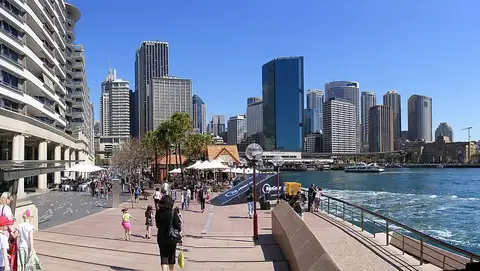
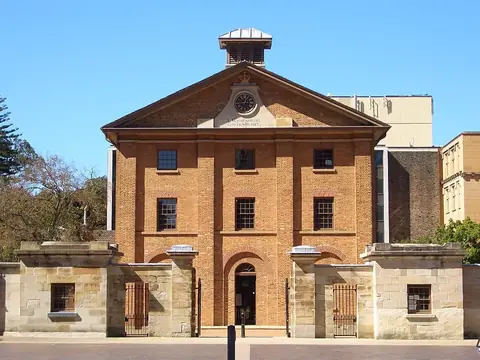
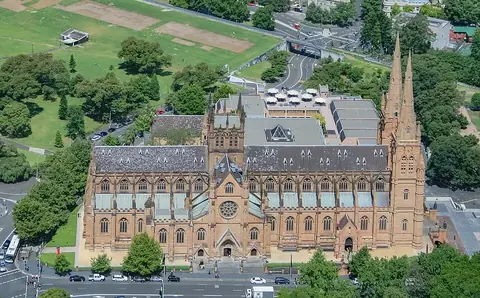
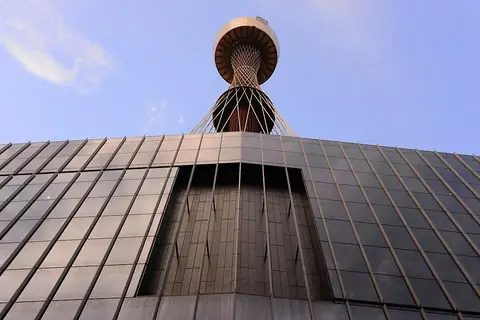
The Sydney Opera House is situated at Bennelong Point, Circular Quay, and provides wheelchair access for visitors. The site covers an area of 0.038 square kilometers and reaches a height of 67 meters. Those planning a visit can combine the trip with nearby landmarks, including Circular Quay at 0.6 km and the Art Gallery of New South Wales at 1.3 km. Other nearby locations include the Hyde Park Barracks, St Mary's Cathedral, and the Sydney Tower, all of which are within 1.6 km of the opera house.
Weather by month
The warmest month is January, with an average high of 24 °C. Rain is spread fairly evenly through the year.
| Jan | Feb | Mar | Apr | May | Jun | Jul | Aug | Sep | Oct | Nov | Dec | |
|---|---|---|---|---|---|---|---|---|---|---|---|---|
| Average high, °C | 24 | 24 | 23 | 21 | 19 | 16 | 16 | 17 | 18 | 20 | 21 | 23 |
| Average low, °C | 20 | 20 | 19 | 17 | 14 | 12 | 11 | 11 | 13 | 15 | 17 | 19 |
| Rainfall, mm | 90 | 131 | 100 | 119 | 112 | 102 | 76 | 72 | 61 | 81 | 93 | 80 |
| Rainy days | 14 | 13 | 15 | 9 | 7 | 8 | 6 | 6 | 7 | 10 | 10 | 10 |
Temperatures and rainfall: 1981–2010 averages for this spot (4 km grid), from CHELSA. Rainy days: 2015–2024, NASA POWER.