Palestine
Country · Asia, Western Asia
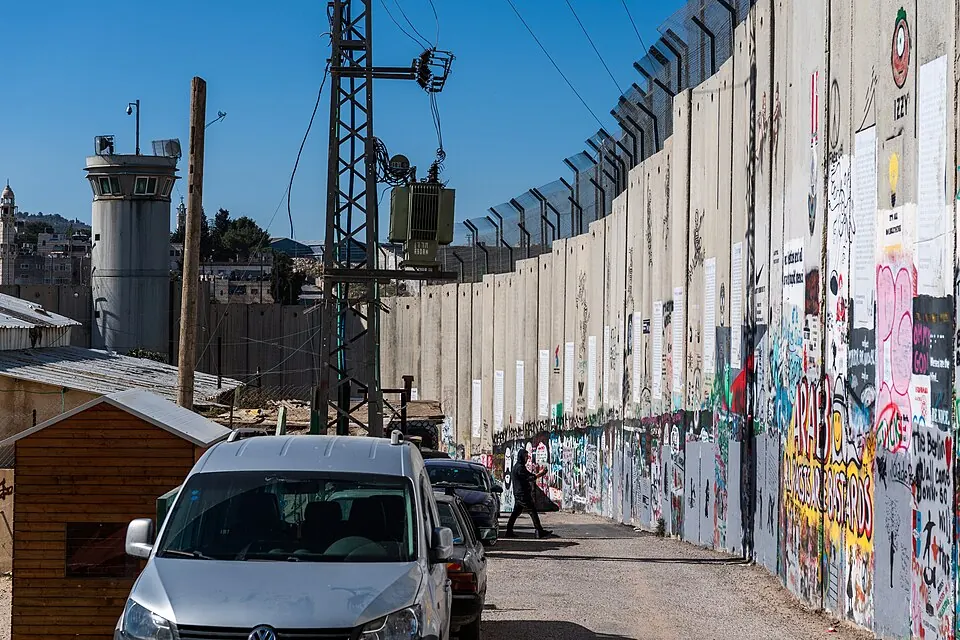
Palestine is located in Western Asia, with capitals at East Jerusalem and Ramallah. Covering an area of 6,020 square kilometers with a population of about 5.4 million in 2025, it offers travelers 21 sights, including historical and religious landmarks.
Highlights
The site covers 21 sights. Key locations include the Dead Sea, Dome of the Rock, Western Wall, Cave of the Patriarchs, Holy Land, Church of the Nativity, Shiloh, Tower of David, Jacob's Well, Qumran, Joseph's Tomb, Tomb of the Virgin Mary, Tell es-Sultan, Rachel's Tomb, Golden Gate, Sebastia, Kidron Valley, Judaean Mountains, Church of Mary Magdalene, and Hisham's Palace. Notable cities include Bethlehem, Nablus, and Jericho.
Food and drink
Local dishes include Musakhan, Nabulsi cheese, and Qizha pie.
When to go
This is the capital's weather. July and August are the warmest months with daily highs of 32 °C and lows of 18 °C to 19 °C, with little to no rain. January and February are the coldest months with highs of 12 °C to 13 °C and lows of 4 °C, alongside heavier rain reaching 147 mm to 162 mm across about 10 to 12 days.
Practical notes
The currency is the new shekel. The official language is Arabic. Plugs used are type C, D, and H, operating at a voltage of 230.0 V. Driving is on the right side of the road. The time zone is UTC+02:00.
Cities
Food and drink to try in Palestine
- Musakhan
- Nabulsi cheese
- Qizha pie
Top sights in Palestine
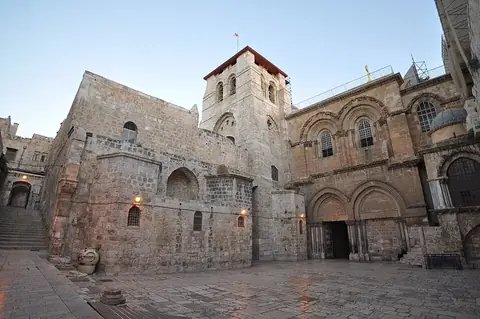 Church of the Holy SepulchreJerusalem
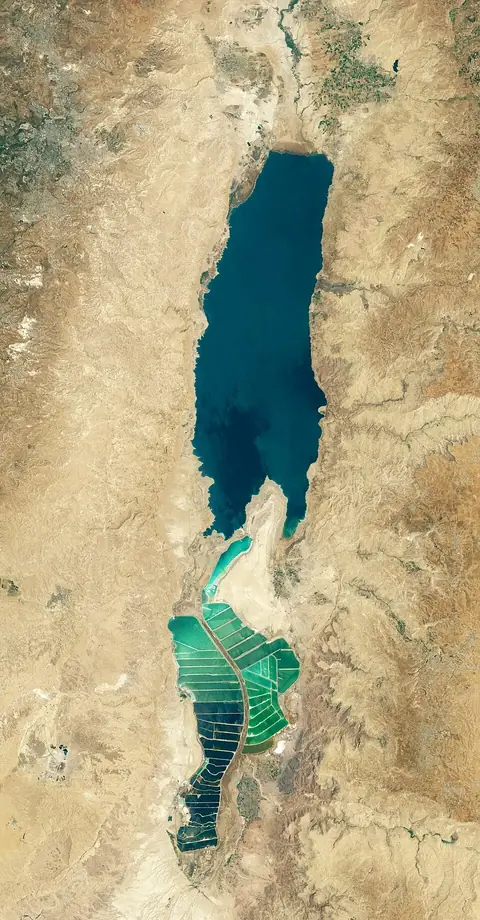 Dead Sea
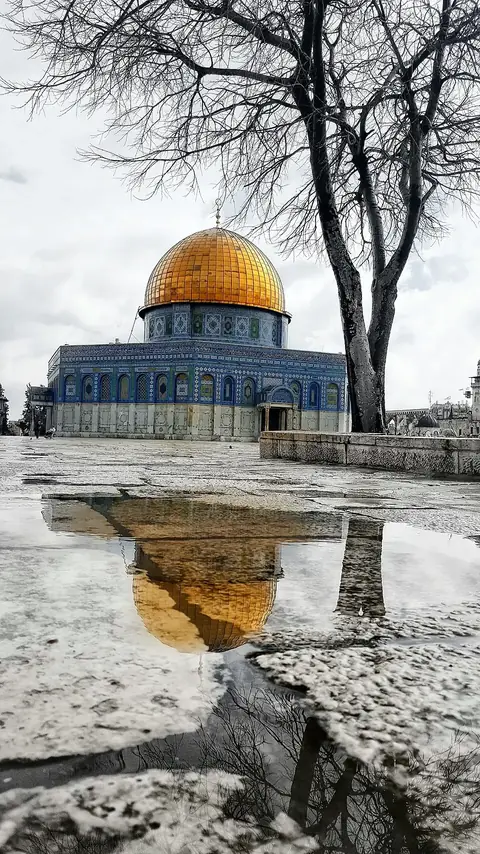 Dome of the RockJerusalem
- Western WallJerusalem
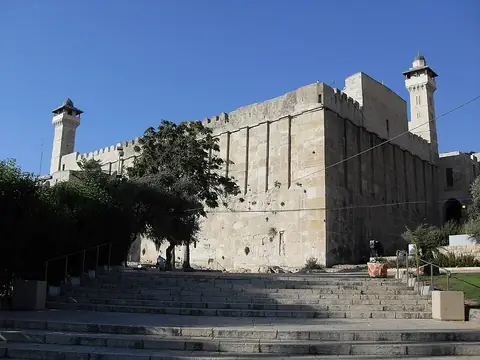 Cave of the PatriarchsHebron
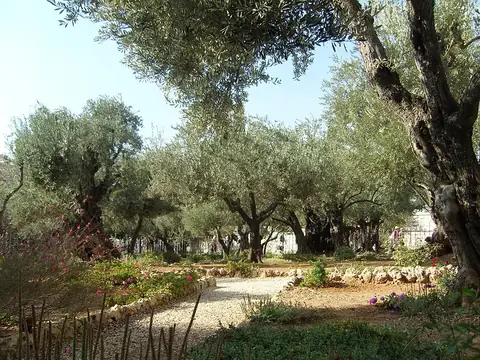 GethsemaneJerusalem
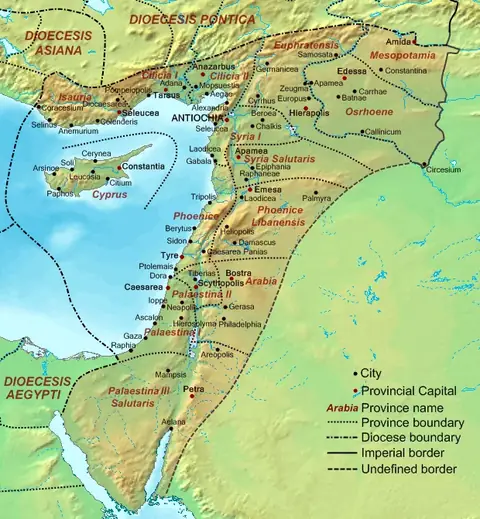 Holy LandJerusalem
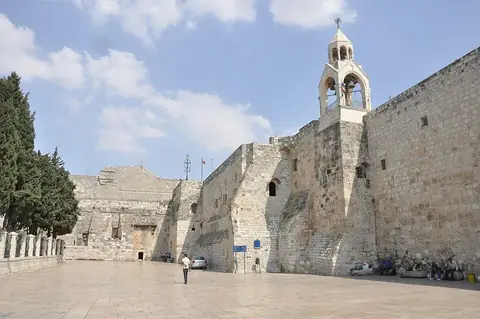 UNESCOChurch of the NativityBethlehem
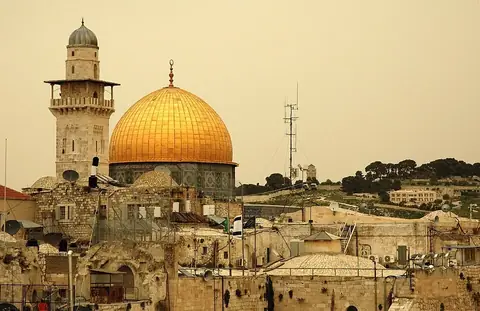 Old City of JerusalemJerusalem
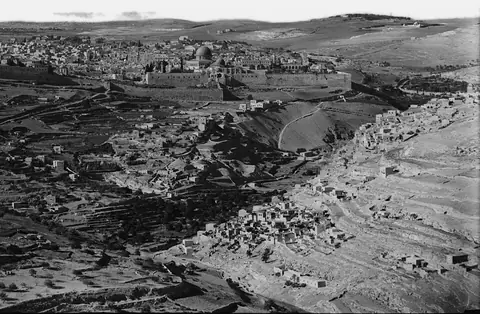 City of DavidJerusalem
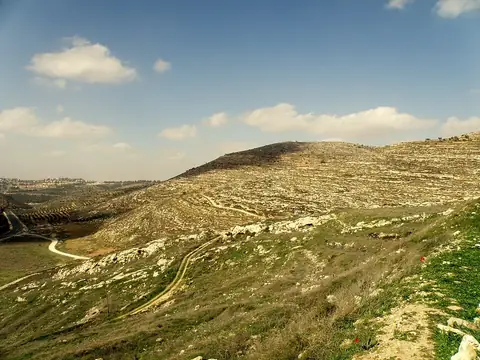 ShilohShiloh
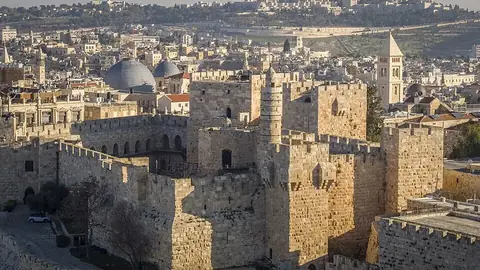 Tower of DavidJerusalem
- Jacob's Well · Nablus
- Qumran
- Joseph's Tomb · Nablus
- Tomb of the Virgin Mary · Jerusalem
- Tell es-Sultan · JerichoUNESCO
- Rachel's Tomb · Bethlehem
- Mount of Olives Jewish Cemetery · Jerusalem
- Garden Tomb · Jerusalem
- Golden Gate · Jerusalem
- Sebastia, Nablus · NablusUNESCO
- Kidron Valley · Jerusalem
- Judaean Mountains · Bethlehem
- Church of Mary Magdalene · Jerusalem
- Temple Institute · Jerusalem
- Church of the Redeemer, Jerusalem · Jerusalem
- Oak of Mamre · Hebron
- Hisham's Palace · Jericho
- Tomb of Absalom · Jerusalem
- Church of All Nations · Jerusalem
- Old City of Hebron · HebronUNESCO
- Chapel of the Milk Grotto · Bethlehem
- Tomb of Jesse and Ruth · Hebron
- The Palestinian Museum · Ramallah
- Jamal Abdel Nasser Mosque · Ramallah
- Tell en-Nasbeh · Ramallah
Weather by month
The warmest month is August, with an average high of 32 °C. The wettest is January, with about 162 mm of rain.
| Jan | Feb | Mar | Apr | May | Jun | Jul | Aug | Sep | Oct | Nov | Dec | |
|---|---|---|---|---|---|---|---|---|---|---|---|---|
| Average high, °C | 12 | 13 | 17 | 22 | 27 | 30 | 32 | 32 | 30 | 26 | 19 | 14 |
| Average low, °C | 4 | 4 | 6 | 10 | 13 | 16 | 18 | 19 | 17 | 15 | 10 | 6 |
| Rainfall, mm | 162 | 147 | 91 | 20 | 8 | 1 | 0 | 0 | 2 | 18 | 71 | 112 |
| Rainy days | 12 | 10 | 7 | 3 | 1 | 0 | 1 | 0 | 0 | 3 | 7 | 11 |
Temperatures and rainfall: 1981–2010 averages for East Jerusalem (4 km grid), from CHELSA. Rainy days: 2015–2024, NASA POWER.
Also worth a look
- Avraham Avinu Synagogue
- Chapel of the Ascension
- Church of Saint Anne, Jerusalem
- Church of the Flagellation
- Church of the Holy Forefathers and Monastery of the Holy Trinity
- Ein Feshkha
- Hurva Synagogue
- Monastery of Saint George of Choziba
- Mosque of Omar
- Old City of Nablus
- Qalqilya Zoo
- Saint Hilarion Monastery
- Solomon's Pools
- Solomon's Stables
- Tel Rumeida
- Tell Balata
- Tell Umm el-'Amr
- Tomb of Lazarus