Israel
Country · Asia, Western Asia
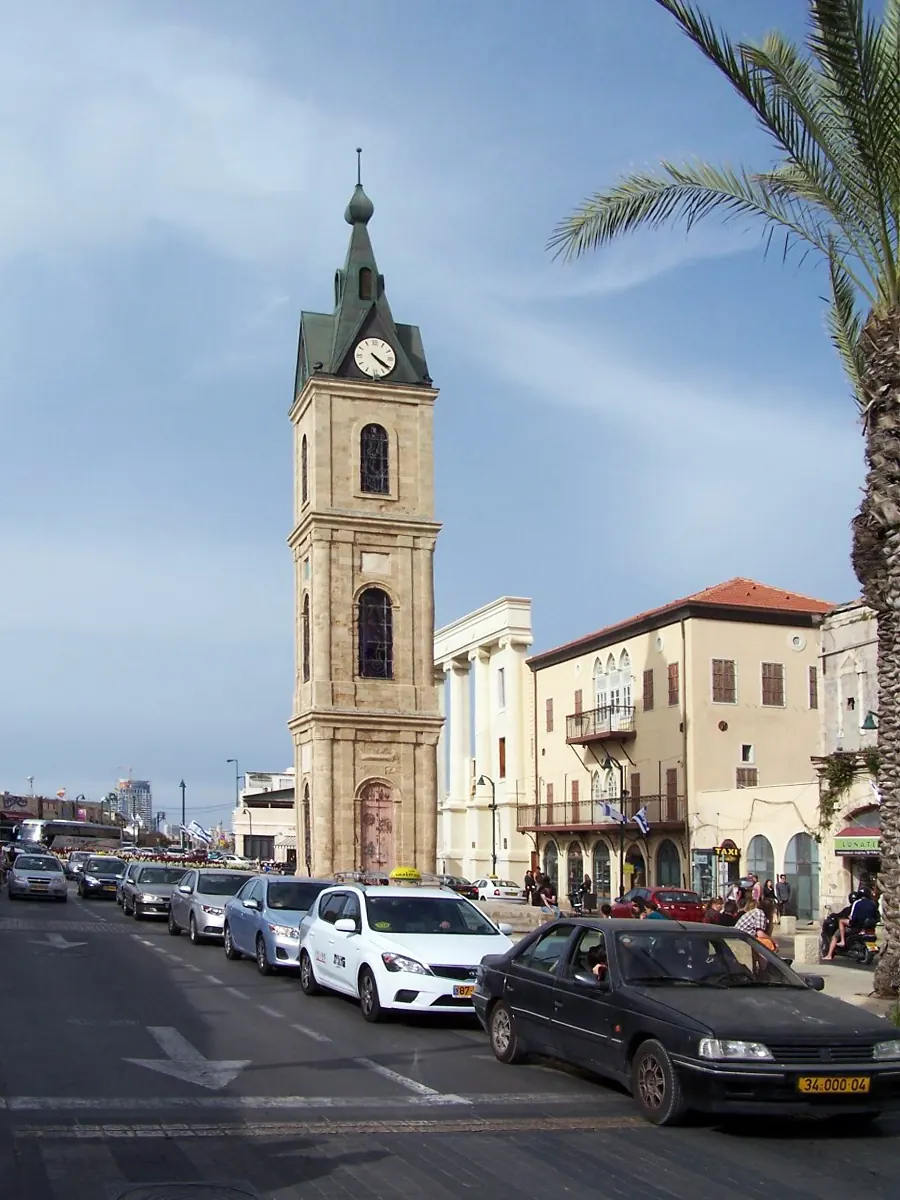
Israel is a country in Western Asia, bordered by Egypt, Jordan, Lebanon, and Syria. With a population of about 10 million people and an area of 20,770 square kilometers, it features a variety of historic and religious landmarks centered around its capital, Jerusalem.
Highlights
This guide covers 40 sights across the country. Many of these are located in and around Jerusalem, including the Old City of Jerusalem, the Church of the Holy Sepulchre, the City of David, the Garden Tomb, the Cenacle, David's Tomb, and the Mount of Olives Jewish Cemetery. Other significant sites in the city include Yad Vashem, Mount Herzl, the Knesset, the Supreme Court of Israel, Gethsemane, and Gehenna. Outside the capital, travelers can visit the Judaean Desert, the UNESCO-listed sites of Masada, Tel Megiddo, and Tel Hazor, as well as Mount Tabor and the site of Capernaum. Cities such as Nazareth and Hebron are also notable locations.
Food and drink
Local cuisine includes dishes such as Israeli couscous, Israeli salad, and the Jerusalem mixed grill. Other items commonly found are Bamba, Malawach, Shkedei marak, Bagel toast, Tzfatit, and laffa.
When to go
The climate in Jerusalem is characterized by warm, dry summers and cooler, wetter winters. July and August are the warmest months, with daily highs of 32 °C and almost no rain. The shoulder seasons of May and October offer milder temperatures, ranging from 26 °C to 27 °C. Winter months, particularly January and December, are the coolest and wettest, with temperatures dropping as low as 4 °C and significant rainfall, often exceeding 100 mm.
Practical notes
The official language is Hebrew and the currency is the new shekel. The country operates on a 230-volt system and uses plug types C, D, and H. Driving is on the right side of the road, and the time zone is UTC+02:00.
Cities
Food and drink to try in Israel
- Israeli couscous
- Bamba
- Malawach
- Israeli salad
- Shkedei marak
- Jerusalem mixed grill
- Bagel toast
- Tzfatit
- Laffa
Top sights in Israel
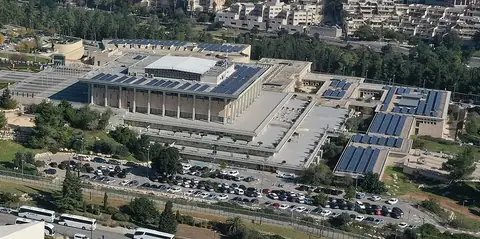 KnessetJerusalem
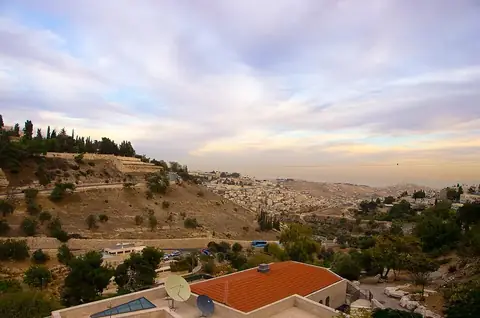 GehennaJerusalem
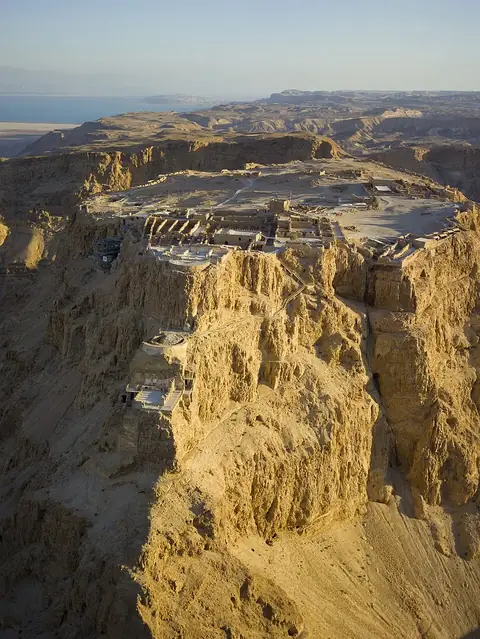 UNESCOMasada
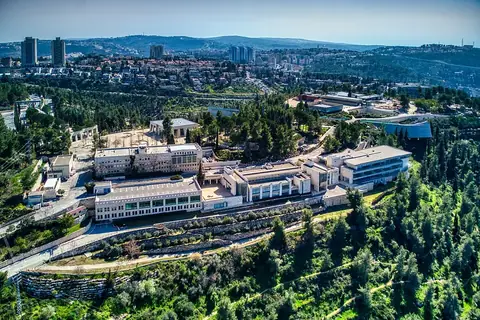 Yad VashemJerusalem
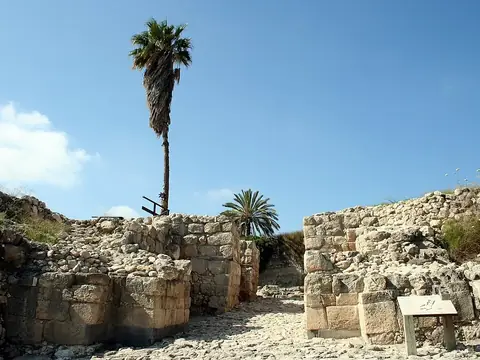 UNESCOTel Megiddo
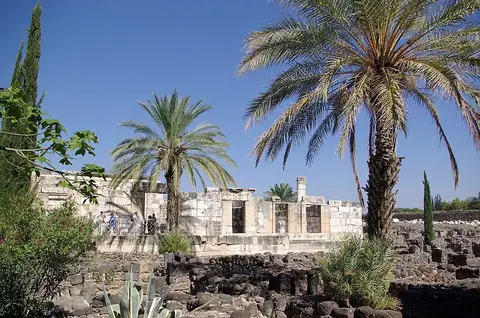 Capernaum
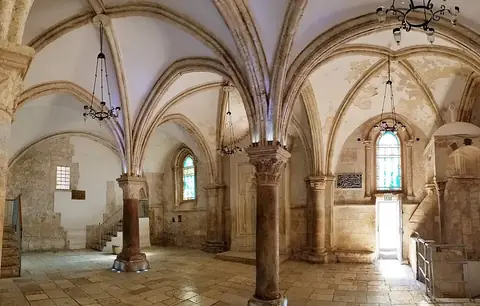 CenacleJerusalem
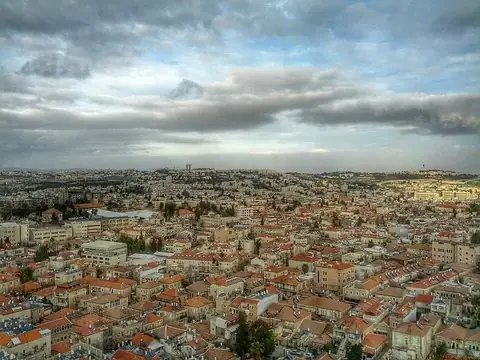 West JerusalemJerusalem
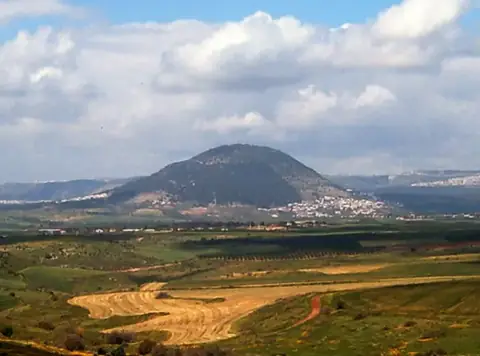 Mount TaborNazareth
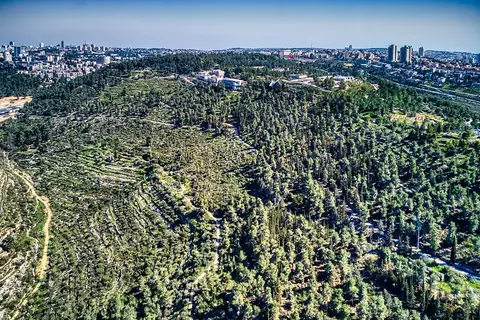 Mount HerzlJerusalem
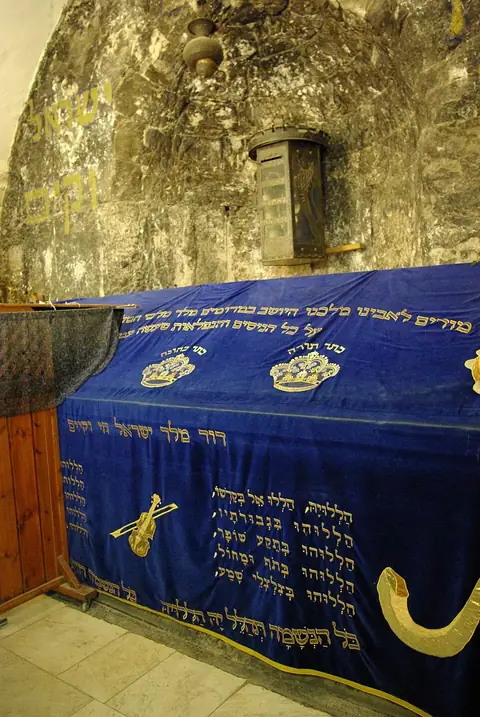 David's TombJerusalem
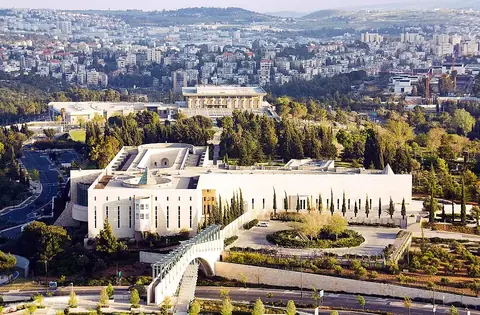 Supreme Court of IsraelJerusalem
- Judaean Desert
- Tel Hazor · Rosh PinaUNESCO
- Sepphoris · Nazareth
- Israel Museum · Jerusalem
- Basilica of the Annunciation · Nazareth
- Mount of Beatitudes
- Makhtesh Ramon · Mitzpe Ramon
- White City, Tel AvivUNESCO
- Mount Sodom
- Horns of Hattin
- Tel Arad · Arad
- Shrine of Baháʼu'lláh · Acre
- Stella Maris Monastery · Haifa
- Tel Be'er Sheva · BeershebaUNESCO
- Baháʼí World Centre buildings · HaifaUNESCO
- Incense Route – Desert Cities in the NegevUNESCO
- Greek Orthodox Church of the Annunciation · Nazareth
- Cave of Elijah · Haifa
- Beit She'arim necropolisUNESCO
- Mary's Well · Nazareth
- AvdatUNESCO
- Abraham's Well · Beersheba
- German Colony, Haifa · Haifa
- Israeli Air Force Museum · Beersheba
- El-Jazzar Mosque · Acre
- Citadel of Safed · Safed
- Ari Ashkenazi Synagogue · Safed
- Abuhav Synagogue · Safed
Weather by month
The warmest month is August, with an average high of 32 °C. The wettest is January, with about 162 mm of rain.
| Jan | Feb | Mar | Apr | May | Jun | Jul | Aug | Sep | Oct | Nov | Dec | |
|---|---|---|---|---|---|---|---|---|---|---|---|---|
| Average high, °C | 12 | 13 | 17 | 22 | 27 | 30 | 32 | 32 | 30 | 26 | 19 | 14 |
| Average low, °C | 4 | 4 | 6 | 10 | 13 | 16 | 18 | 19 | 17 | 15 | 10 | 6 |
| Rainfall, mm | 162 | 147 | 91 | 20 | 8 | 1 | 0 | 0 | 2 | 18 | 71 | 112 |
| Rainy days | 12 | 10 | 7 | 3 | 1 | 0 | 1 | 0 | 0 | 3 | 7 | 11 |
Temperatures and rainfall: 1981–2010 averages for Jerusalem (4 km grid), from CHELSA. Rainy days: 2015–2024, NASA POWER.
Also worth a look
- 9/11 Living Memorial Plaza
- Abbey of the Dormition
- Achziv
- Ades Synagogue
- Al-Bahr Mosque
- Anu – Museum of the Jewish People
- Apollonia–Arsuf
- Atlit detainee camp
- Avshalom Cave
- Baka, Jerusalem
- Basilica of Jesus the Adolescent
- Bauhaus Center Tel Aviv
- Beit Guvrin-Maresha National Park
- Belvoir Castle
- Ben-Gurion House
- Ben-Gurion's hut
- Beth Alpha
- Bethphage
- Bible Lands Museum
- Broad Wall
- Burnt House
- Cathedral of Saint James, Jerusalem
- Chamber of the Holocaust
- Chords Bridge
- Christ Church, Jerusalem
- Church of Saint John the Baptist, Ein Karem
- Church of the Beatitudes
- Church of the Holy Archangels, Jerusalem
- Church of the Multiplication
- Church of the Pater Noster
- Church of the Primacy of Saint Peter
- Church of the Seat of Mary
- Church of the Visitation
- Clandestine Immigration and Naval Museum
- Coral World Underwater Observatory
- Dizengoff Square
- Dominus Flevit Church
- Ein Gedi Nature Reserve
- Elusa
- Eretz Israel Museum