Iceland
Country · Europe, Northern Europe
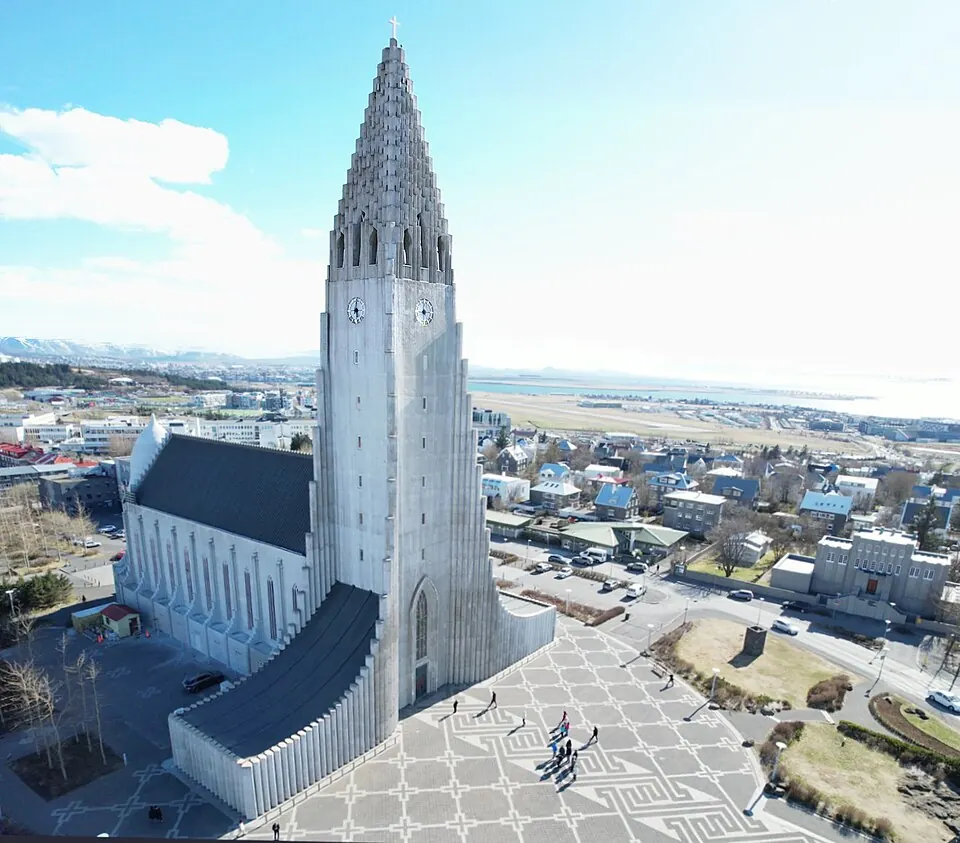
Iceland is a country in Northern Europe with an area of 103,004 square kilometres and a population of about 392,000. Its capital is Reykjavík. The country offers a diverse array of natural and cultural sights.
Highlights
The site covers 14 sights. Cultural and architectural highlights located in the capital of Reykjavík include Hallgrímskirkja, the Icelandic Phallological Museum, Harpa, and the Imagine Peace Tower. Natural wonders and protected areas across the country include Þingvellir, Laki, Geysir, Gullfoss, Thridrangaviti Lighthouse, Skógafoss, Dettifoss, Jökulsárlón, Seljalandsfoss, and Vatnajökull National Park. The listed city is Reykjavík.
Food and drink
Traditional dishes and beverages to try include Hákarl, Brennivín, Þorramatur, Vínarterta, Rúgbrauð, Laufabrauð, Flatkaka, and Slátur.
When to go
This climate data applies to the capital, Reykjavík. July is the warmest month with daily highs of 14 °C and lows of 8 °C, alongside 73 mm of rain on about 15 days. January is the coldest month with daily highs of 0 °C and lows of -5 °C, accompanied by 128 mm of rain on about 21 days. December is the wettest month with 145 mm of rain on about 19 days. June records the least rain with 62 mm on about 17 days.
Practical notes
The currency is the Icelandic króna. The official language is Icelandic. Plugs used are type C and F with a voltage of 230.0 volts. Driving is on the right side of the road. The time zone is UTC±00:00.
Cities
Food and drink to try in Iceland
- Hákarl
- Brennivín
- Þorramatur
- Vínarterta
- Rúgbrauð
- Laufabrauð
- Flatkaka
- Slátur
Top sights in Iceland
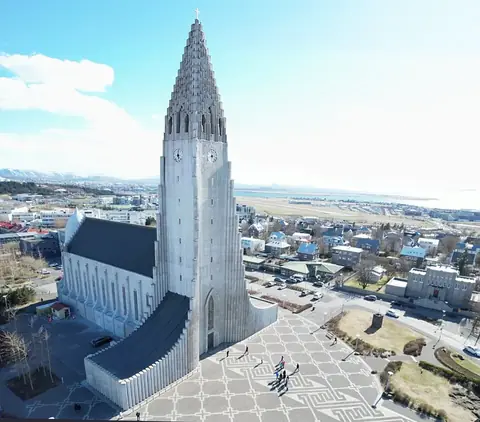 HallgrímskirkjaReykjavík
 Icelandic Phallological MuseumReykjavík
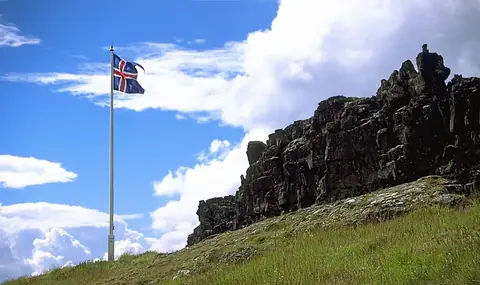 UNESCOÞingvellir
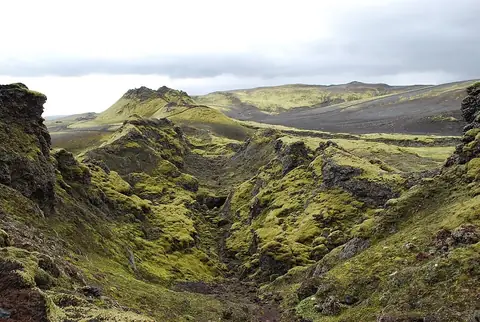 Laki
Laki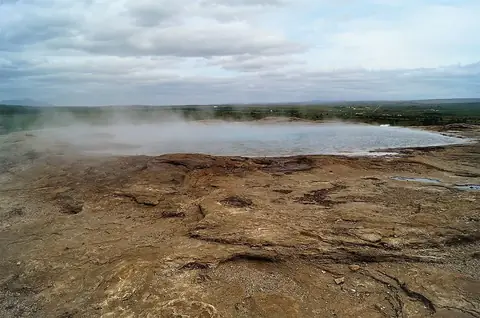 Geysir
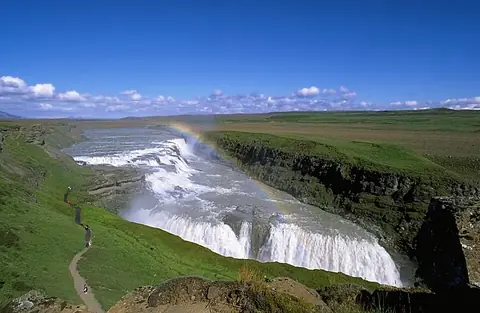 Gullfoss
- Thridrangaviti LighthouseVestmannaeyjar
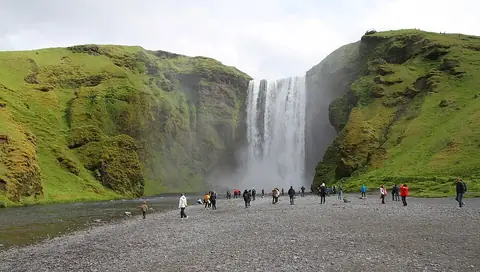 SkógafossVík í Mýrdal
- HarpaReykjavík
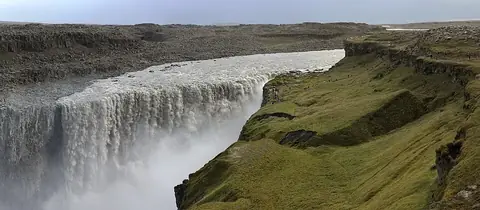 Dettifoss
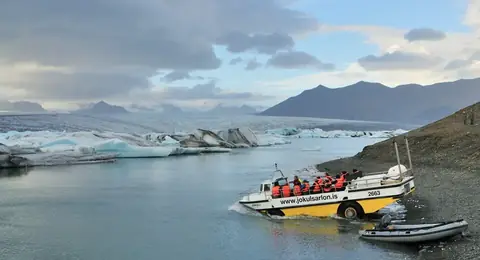 Jökulsárlón
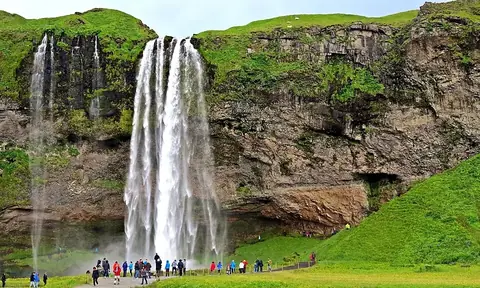 SeljalandsfossSkógar
- Imagine Peace Tower · Reykjavík
- Vatnajökull National ParkUNESCO
Weather by month
The warmest month is July, with an average high of 14 °C. Rain is spread fairly evenly through the year.
| Jan | Feb | Mar | Apr | May | Jun | Jul | Aug | Sep | Oct | Nov | Dec | |
|---|---|---|---|---|---|---|---|---|---|---|---|---|
| Average high, °C | 1 | 1 | 2 | 5 | 9 | 13 | 14 | 13 | 10 | 6 | 2 | 1 |
| Average low, °C | -5 | -4 | -4 | -1 | 3 | 7 | 9 | 8 | 5 | 1 | -2 | -4 |
| Rainfall, mm | 128 | 130 | 123 | 92 | 76 | 62 | 73 | 101 | 116 | 115 | 124 | 145 |
| Rainy days | 21 | 19 | 20 | 17 | 18 | 17 | 15 | 16 | 20 | 20 | 18 | 19 |
Temperatures and rainfall: 1981–2010 averages for Reykjavík (4 km grid), from CHELSA. Rainy days: 2015–2024, NASA POWER.
Also worth a look
- Akureyrarkirkja
- Alþingishúsið
- Askja
- Austurvöllur
- Bobby Fischer Center
- Christ the King Cathedral
- Deildartunguhver
- Elephant Rock
- Goðafoss
- Hallormsstaðaskógur
- Hellisheiði Power Station
- Hengifoss
- Herðubreið
- Hraunfossar
- Hveravellir
- Kerið
- Morsárfoss
- Mývatn
- National Gallery of Iceland
- National Museum of Iceland
- Perlan
- Reykjavik Art Museum
- Reykjavík Cathedral
- Smáratorg Tower
- Snæfell
- Stuðlagil
- Surtshellir
- The Caves of Ægissíða
- The Settlement Exhibition
- Tjörnin
- Árbæjarsafn
- Ásbyrgi
- Þjóðveldisbærinn Stöng