National Museum of Beirut متحف بيروت الوطنيّ
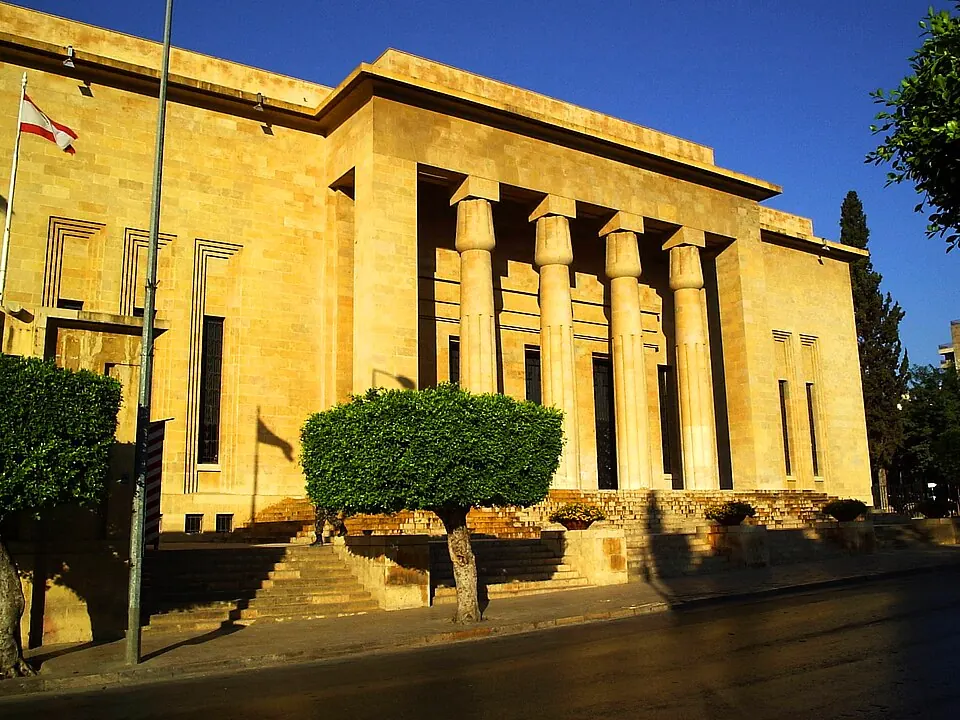
The National Museum of Beirut is an archaeological and national museum featuring Egyptian Revival architecture. Designed by Pierre Leprince-Ringuet and Antoine Nahas, the institution was established in 1937 and opened to the public in 1942. It is the 7th most looked-up sight in Lebanon on English Wikipedia, and one of the 11 most looked-up sights for the country on this site.
Planning a visit
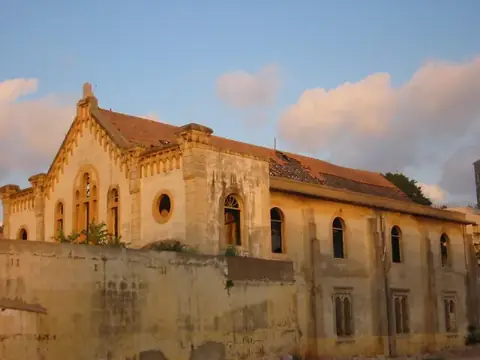
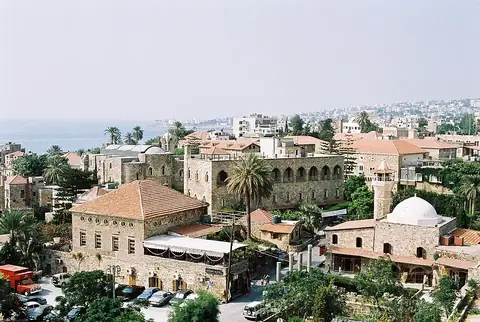
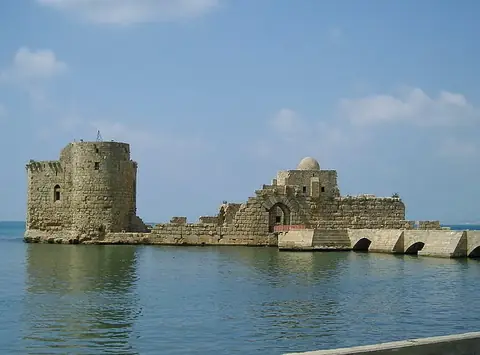
The museum is located 1 km from the city of Beirut and 7 km from Beirut Rafic Hariri International Airport. Nearby, visitors can visit Achrafieh, Maghen Abraham Synagogue, and Raouché. Other regional sites include Byblos, which is 29.3 km away, and Sidon Sea Castle, located 37.1 km away. Regarding climate, July and August are the warmest months, with daily highs of 30 °C and minimal rainfall. The wettest months are January and December, which see about 243 mm and 182 mm of rainfall. The coldest months are January and February, with daily lows of 9 °C. April and May offer warmer, drier conditions, with daily highs between 22 °C and 25 °C.
The museum is open from Tuesday to Sunday from 09:30 to 17:00. Admission costs LL5,000 for adults and LL1,000 for students and visitors under 18. In the year 2001, the museum recorded about 40,000 visitors.
Weather by month
The warmest month is August, with an average high of 30 °C. The wettest is January, with about 243 mm of rain.
| Jan | Feb | Mar | Apr | May | Jun | Jul | Aug | Sep | Oct | Nov | Dec | |
|---|---|---|---|---|---|---|---|---|---|---|---|---|
| Average high, °C | 16 | 16 | 18 | 22 | 25 | 28 | 30 | 30 | 29 | 27 | 22 | 18 |
| Average low, °C | 9 | 9 | 11 | 13 | 17 | 20 | 22 | 23 | 22 | 19 | 14 | 11 |
| Rainfall, mm | 243 | 183 | 127 | 48 | 21 | 3 | 1 | 1 | 8 | 55 | 154 | 182 |
| Rainy days | 14 | 9 | 10 | 5 | 2 | 1 | 0 | 0 | 1 | 4 | 8 | 11 |
Temperatures and rainfall: 1981–2010 averages for this spot (4 km grid), from CHELSA. Rainy days: 2015–2024, NASA POWER.