Panamá Viejo
Panama City, Panama UNESCO World Heritage Site
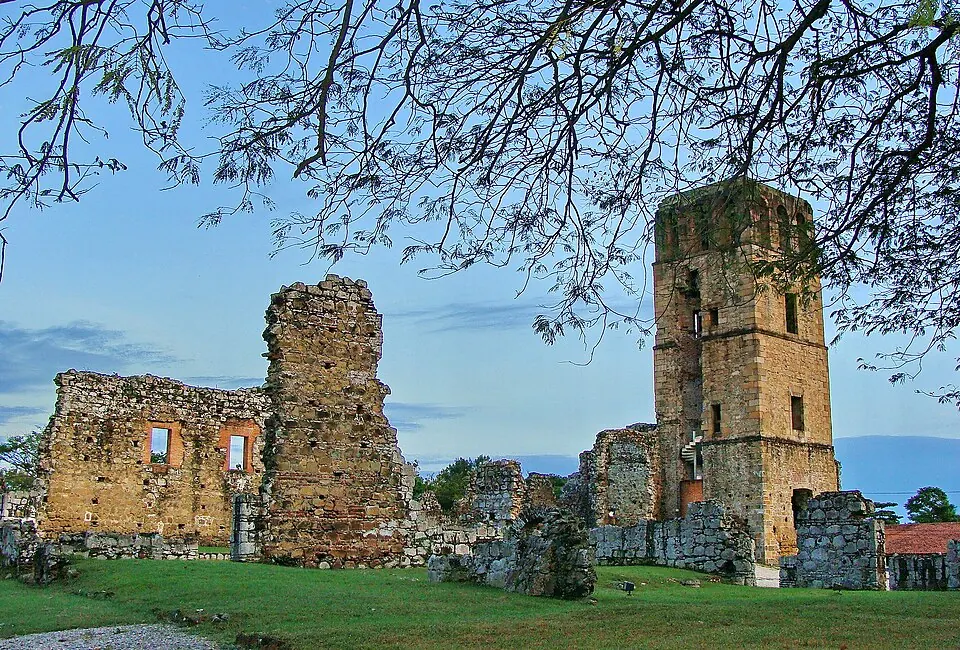
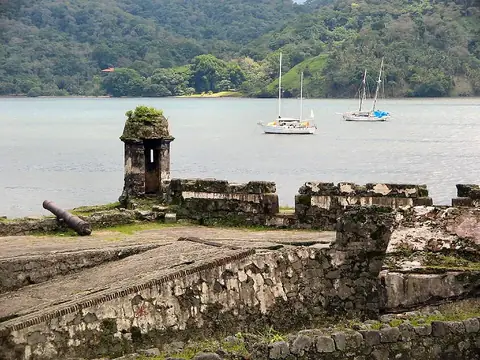
Panamá Viejo is an archaeological site located in Panama City, Panama. As a UNESCO World Heritage Site, it is part of the Colonial Transisthmian Route of Panamá and ranks as one of the most looked-up sights in the country. Spanning 0.28 square kilometers, the site preserves remains that represent a significant part of the region's heritage.
Planning a visit
The best time to visit is during the dry season, which lasts from January through March. During these months, rainfall is low, with as few as 2 days of rain in February, and temperatures reach daily highs of about 29 °C to 30 °C. The rainy season, occurring from May through November, is characterized by higher precipitation, peaking in October with 363 mm of rain and about 26 rainy days. Planning a trip during the drier early months helps ensure better conditions for walking through the archaeological area.
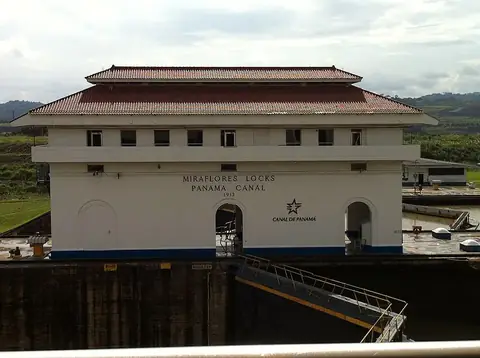
The site is located 7 km from the center of Panama City. Travelers can arrive via Marcos A. Gelabert International Airport, which is 9 km away, or Tocumen International Airport, located 13 km away. The site is open Tuesday through Sunday from 08:30 to 16:30 and is closed on Mondays. Those looking to combine their visit with other locations can travel to Casco Viejo, 8.2 km away, or El Chorrillo, 9.2 km away. The Biomuseo is 10.6 km from the site, and Miraflores is 11.8 km away.
Weather by month
Temperatures stay much the same all year, around 27 °C on average. The wettest is October, with about 363 mm of rain.
| Jan | Feb | Mar | Apr | May | Jun | Jul | Aug | Sep | Oct | Nov | Dec | |
|---|---|---|---|---|---|---|---|---|---|---|---|---|
| Average high, °C | 29 | 29 | 30 | 30 | 29 | 29 | 29 | 29 | 28 | 28 | 28 | 29 |
| Average low, °C | 24 | 24 | 24 | 25 | 25 | 25 | 24 | 24 | 24 | 24 | 24 | 24 |
| Rainfall, mm | 32 | 13 | 19 | 83 | 294 | 290 | 267 | 278 | 300 | 363 | 334 | 170 |
| Rainy days | 6 | 2 | 8 | 18 | 25 | 25 | 27 | 26 | 26 | 27 | 26 | 17 |
Temperatures and rainfall: 1981–2010 averages for this spot (4 km grid), from CHELSA. Rainy days: 2015–2024, NASA POWER.