New York City
City in United States
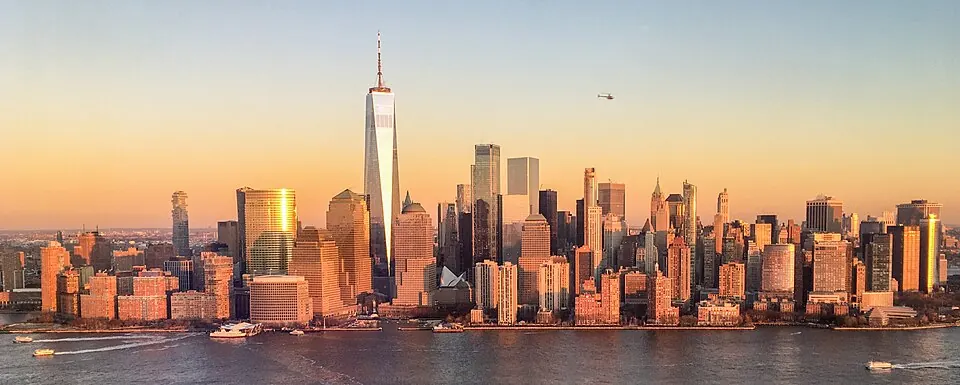
New York City is a major urban center in the United States with a 2020 population of about 8.8 million. Located 328 kilometers from the capital, Washington, D.C., the city draws visitors to its diverse architectural landmarks, green spaces, and museums.
What to see
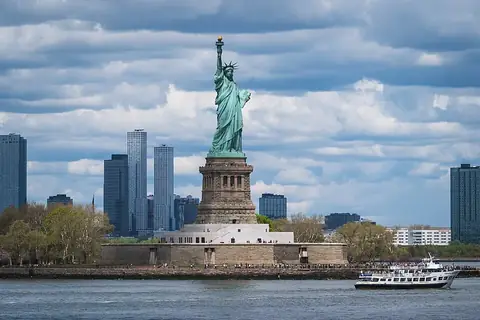
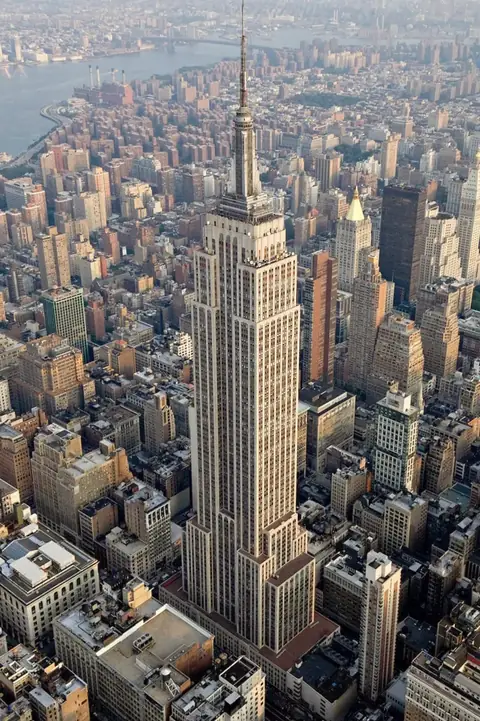
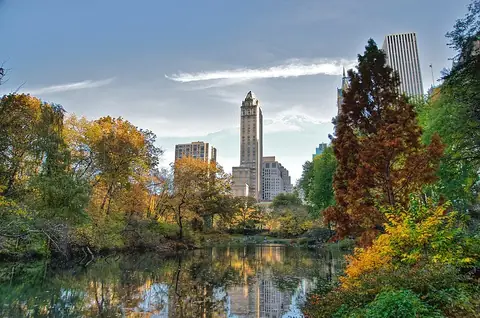
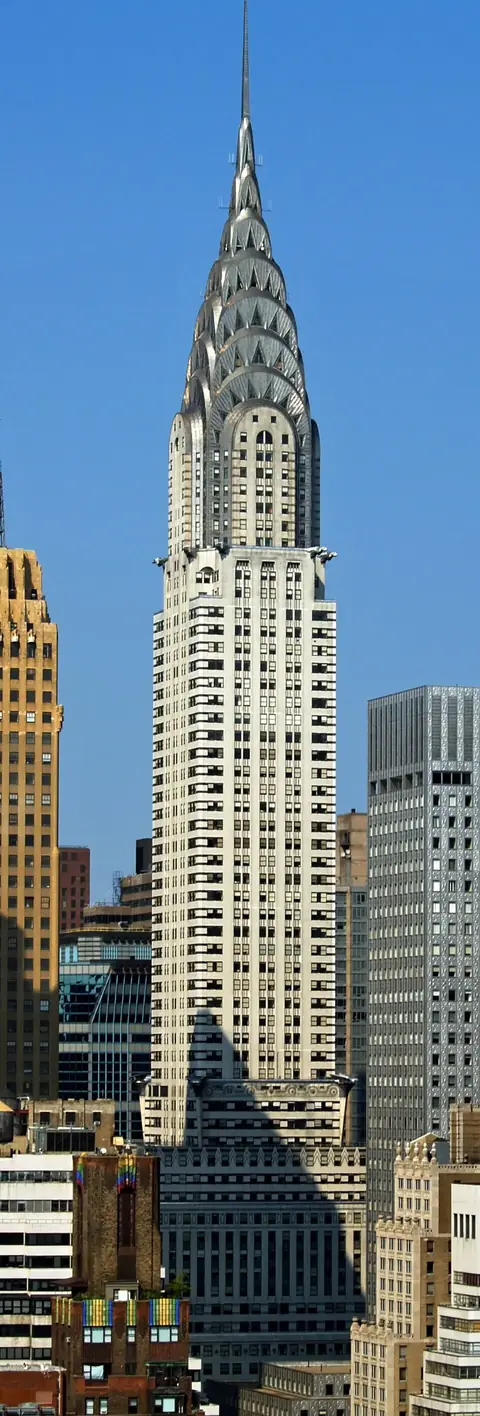
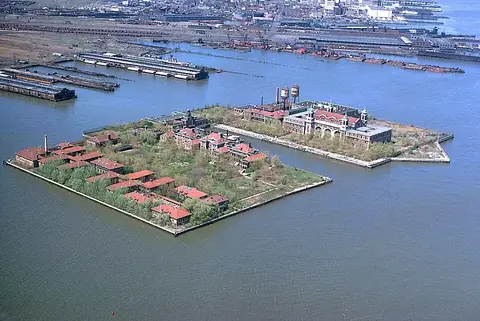
The city contains many landmarks related to finance and government, such as the New York Stock Exchange, Wall Street, 40 Wall Street, and the Headquarters of the United Nations. Architecture enthusiasts can visit the Empire State Building, Chrysler Building, Flatiron Building, Woolworth Building, 30 Rockefeller Plaza, and the Rockefeller Center. Bridges and viewpoints include the Brooklyn Bridge and the Statue of Liberty, with Ellis Island located nearby. For culture and nature, visitors go to the Metropolitan Museum of Art, the Solomon R. Guggenheim Museum, the Museum of Modern Art, the American Museum of Natural History, St. Patrick's Cathedral, and Central Park. Neighborhoods such as Greenwich Village, SoHo, Tribeca, and Chinatown offer distinct areas to explore, while One World Trade Center stands as a prominent site.
When to go
Temperatures vary significantly throughout the year. Winters are cold, with January lows averaging -4 °C and highs of 3 °C. Spring and autumn offer moderate conditions, with highs ranging from 9 °C to 21 °C between March and May, and 12 °C to 24 °C from September to November. Summers are warm, with July reaching highs of 28 °C and lows of 21 °C. Rain occurs throughout the year, with July and August seeing the highest frequency of rainy days, averaging 16 to 17 days per month. Travelers seeking warmer, drier weather may prefer the shoulder seasons.
Getting there
LaGuardia Airport is the nearest airport, located 13 kilometers from the city.
Top sights in New York City







Weather by month
The warmest month is July, with an average high of 28 °C. Rain is spread fairly evenly through the year.
| Jan | Feb | Mar | Apr | May | Jun | Jul | Aug | Sep | Oct | Nov | Dec | |
|---|---|---|---|---|---|---|---|---|---|---|---|---|
| Average high, °C | 3 | 5 | 9 | 15 | 21 | 26 | 28 | 27 | 24 | 17 | 12 | 6 |
| Average low, °C | -4 | -3 | 1 | 7 | 13 | 18 | 21 | 21 | 17 | 11 | 5 | 0 |
| Rainfall, mm | 83 | 76 | 104 | 105 | 103 | 100 | 115 | 109 | 98 | 102 | 95 | 98 |
| Rainy days | 11 | 11 | 11 | 12 | 12 | 12 | 17 | 16 | 10 | 10 | 8 | 11 |
Temperatures and rainfall: 1981–2010 averages for New York City (4 km grid), from CHELSA. Rainy days: 2015–2024, NASA POWER.
Also worth a look
- Bronx Zoo
- Brooklyn Museum
- Madison Square and Madison Square Park
- Manhattan Bridge
- Metropolitan Life Insurance Company Tower
- Prospect Park
- The Battery