South Korea
Country · Asia, Eastern Asia
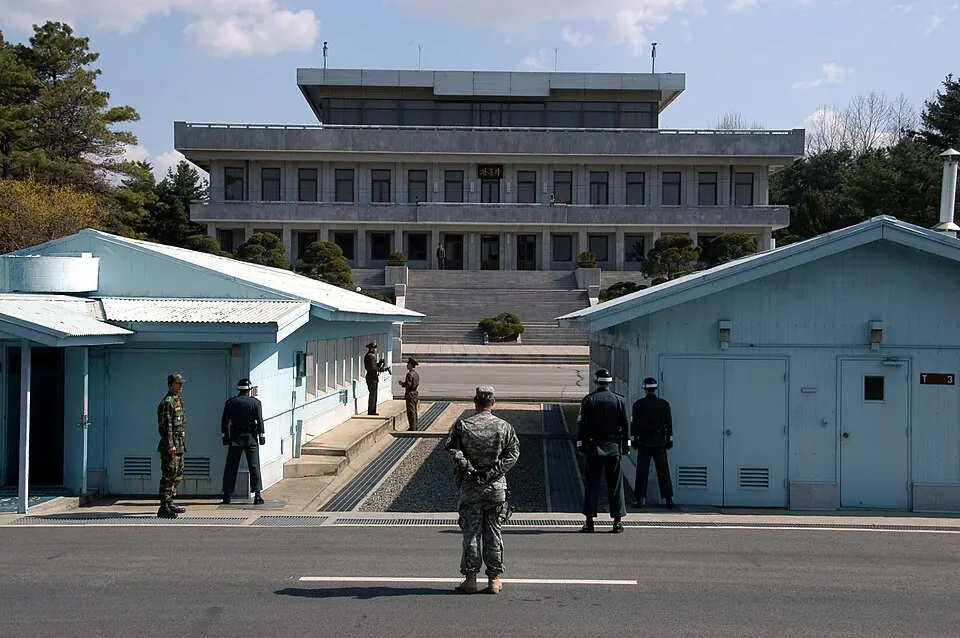
South Korea is located in Eastern Asia and covers an area of 100,295 square kilometers with a population of about 52 million. Its capital is Seoul. The country offers visitors a total of 44 sights across cities like Seoul and Gyeongju.
Highlights
The site covers 44 sights, including major cities such as Seoul and Gyeongju. Notable locations listed among the 44 sights are Gyeongbokgung, Changdeokgung, Hwaseong Fortress, Seongsan Ilchulbong, the Korean Demilitarized Zone, Lotte World Tower, Cheong Wa Dae, Bridge of No Return, Cheonggyecheon, Panmunjom, Statue of Peace, National Museum of Korea, Seoul World Cup Stadium, Gwanghwamun Square, Seoul Olympic Stadium, War Memorial of Korea, Bukchon Hanok Village, Everland, Korea International Circuit, and Myeong-dong.
Food and drink
Local dishes include Budae-jjigae, Korean fried chicken, Dak-galbi, Yangnyeom chicken, Jjamppong, Chimaek, Buldak, Andong jjimdak, Tornado potato, Gyeran-ppang, Dak-kkochi, and Hodu-gwaja.
When to go
The climate at the capital features daily highs and lows. In January, temperatures range from a high of 1 °C to a low of -9 °C with 21 mm of rain. February brings a high of 4 °C and a low of -6 °C. March sees highs of 10 °C and lows of -1 °C. April warms to 17 °C with lows of 5 °C and 80 mm of rain. May averages a high of 22 °C and a low of 11 °C. June reaches a high of 26 °C and a low of 17 °C with 137 mm of rain. July is the wettest month with 405 mm of rain and temperatures between a high of 28 °C and a low of 21 °C. August has similar temperatures with 322 mm of rain. September cools to a high of 24 °C and a low of 16 °C. October sees highs of 18 °C and lows of 8 °C. November brings a high of 10 °C and a low of 1 °C. December has a high of 3 °C and a low of -6 °C with 20 mm of rain.
Practical notes
The currency is won. Spoken languages include Korean and Korean Sign Language. Plugs are type C and F with a voltage of 220.0. Driving is on the right side. The time zone is UTC+09:00.
Cities
Food and drink to try in South Korea
- Budae-jjigae
- Korean fried chicken
- Dak-galbi
- Yangnyeom chicken
- Jjamppong
- Chimaek
- Buldak
- Andong jjimdak
- Tornado potato
- Gyeran-ppang
- Dak-kkochi
- Hodu-gwaja
Top sights in South Korea
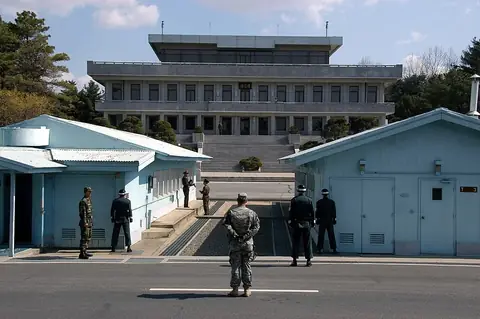 Korean Demilitarized Zone
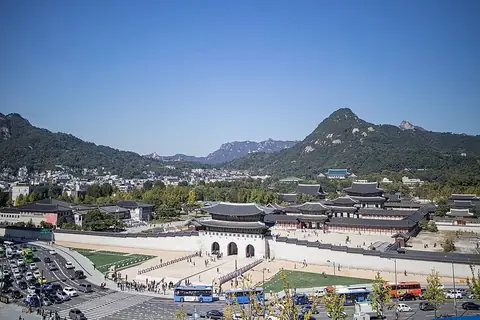 GyeongbokgungSeoul
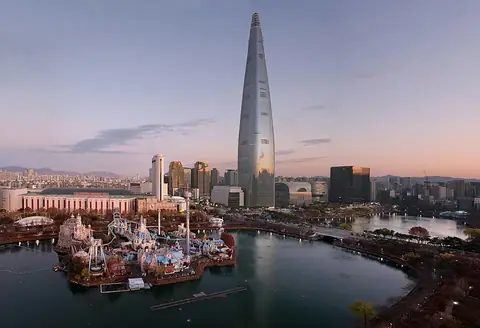 Lotte World TowerSeoul
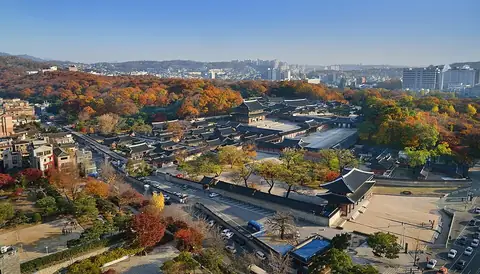 UNESCOChangdeokgungSeoul
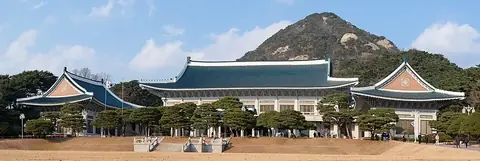 Cheong Wa DaeSeoul
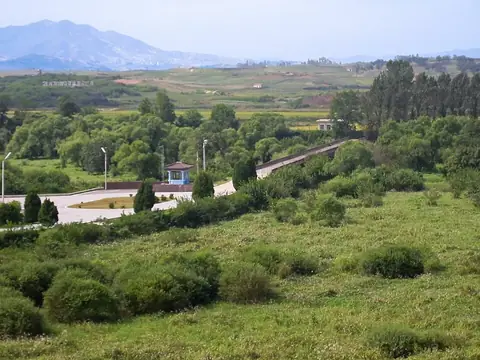 Bridge of No ReturnPanmunjeom
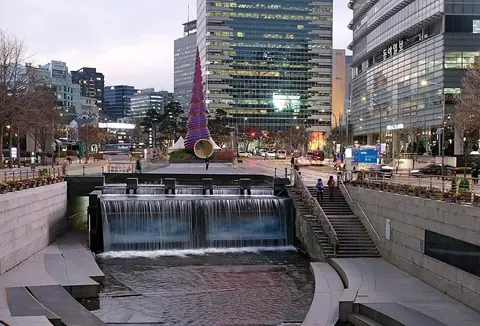 CheonggyecheonSeoul
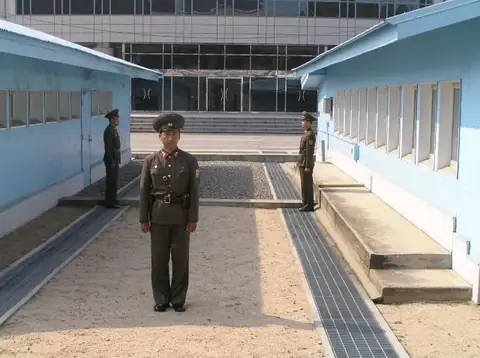 Panmunjom
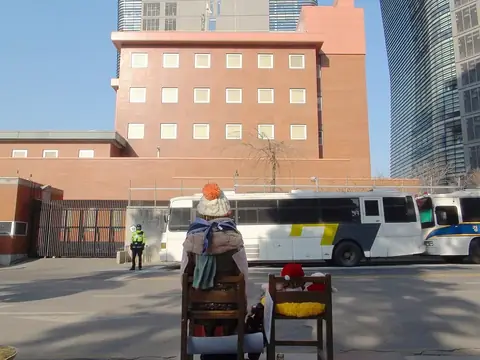 Statue of PeaceCheonan
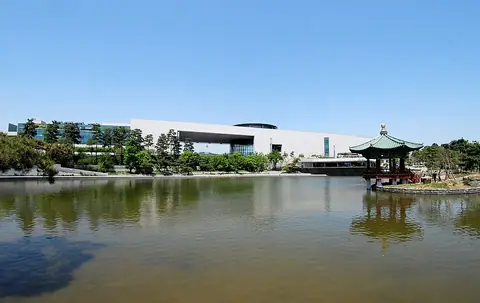 National Museum of KoreaSeoul
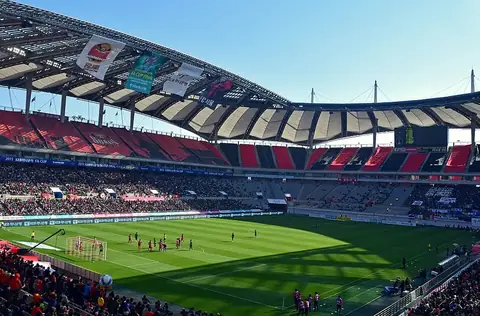 Seoul World Cup StadiumSeoul
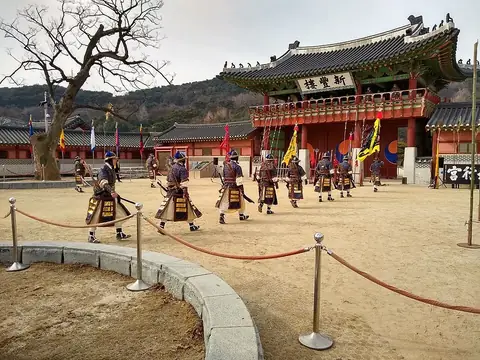 UNESCOHwaseong FortressSuwon
- Gwanghwamun Square · Seoul
- Seoul Olympic Stadium · Seoul
- War Memorial of Korea · Seoul
- Seongsan IlchulbongUNESCO
- Bukchon Hanok Village · Seoul
- Everland · Yongin
- Korea International Circuit · Mokpo
- Myeong-dong · Seoul
- Third Tunnel of Aggression
- Deoksugung · Seoul
- Bulguksa · Gyeongju
- Namdaemun · Seoul
- Cheomseongdae · Gyeongju
- Namsan Seoul Tower · Seoul
- Myeongdong Cathedral · Seoul
- Hantan River · Cheorwon
- Changgyeonggung · Seoul
- Seoraksan · Sokcho
- Seokguram · Gyeongju
- Starfield COEX Mall · Seoul
- Love Land · Jeju
- 63 Building · Seoul
- Haedong Yonggungsa · Busan
- Namhansanseong · GwangjuUNESCO
- Jangneung · YeongwolUNESCO
- Royal Tombs of the Joseon DynastyUNESCO
- Jeju Volcanic Island and Lava TubesUNESCO
- Suwon World Cup Stadium · Suwon
- Camp Bonifas · Panmunjeom
- Ulsan Munsu Football Stadium · Ulsan
- Jongmyo · SeoulUNESCO
- Hahoe Folk VillageUNESCO
- Janggyeong Panjeon of HaeinsaUNESCO
- Gochang, Hwasun and Ganghwa Dolmen SitesUNESCO
- Bangudae Petroglyphs · Ulsan
- Korean Folk Village · Yongin
- Yangdong Folk VillageUNESCO
- Seoul Grand Park · Gwacheon
- Incheon Chinatown · Incheon
- Seoul Land · Gwacheon
- Independence Hall of Korea · Cheonan
- Manjanggul · Jeju
- Daegu Samsung Lions Park · Daegu
- Yeongjongdo · Incheon
- Samseonghyeol · Jeju
- Incheon SSG Landers Field · Incheon
- Daegu iM Bank Park · Daegu
- Ho-Am Art Museum · Yongin
- Donghwasa · Daegu
Weather by month
The warmest month is August, with an average high of 28 °C. The wettest is July, with about 405 mm of rain.
| Jan | Feb | Mar | Apr | May | Jun | Jul | Aug | Sep | Oct | Nov | Dec | |
|---|---|---|---|---|---|---|---|---|---|---|---|---|
| Average high, °C | 1 | 4 | 10 | 17 | 22 | 26 | 28 | 28 | 24 | 18 | 10 | 3 |
| Average low, °C | -9 | -6 | -1 | 5 | 11 | 17 | 21 | 22 | 16 | 9 | 1 | -6 |
| Rainfall, mm | 21 | 24 | 46 | 80 | 100 | 137 | 405 | 322 | 168 | 49 | 48 | 20 |
| Rainy days | 3 | 4 | 5 | 8 | 8 | 10 | 18 | 18 | 11 | 8 | 8 | 5 |
Temperatures and rainfall: 1981–2010 averages for Seoul (4 km grid), from CHELSA. Rainy days: 2015–2024, NASA POWER.
Also worth a look
- Baekje Cultural Land
- Baekje Historic Areas
- Beomeosa
- Beopjusa
- Bongeunsa
- Bongjeongsa
- Bukhansan
- Bunhwangsa
- Busan Cinema Center
- Buseoksa
- COEX Aquarium
- Cheongdo County
- Daejeon Hana Citizen
- Daejeon Station
- Dongbaekseom
- Dongdaemun
- Donggung Palace and Wolji Pond
- Donggureung
- Dorasan station
- Dosan Seowon
- Gaya Tumuli
- Getbol, Korean Tidal Flats
- Gwangalli Beach
- Gwangan Bridge
- Gyeonghuigung
- Gyeongju Historic Areas
- Gyeongju National Museum
- Gyeongju National Park
- Haeinsa
- Haeundae District
- Hallasan National Park
- Hanwha Eagles
- Horim Museum
- Hwaeomsa
- Hwangnyongsa
- Jagalchi Market
- Jeondong Cathedral
- Jirisan National Park
- Jogyesa
- KBS Hall